min read
October 13, 2026
Best Organic Office Snacks: What to Stock and How to Read the Labels
What organic labels mean, 50+ organic snacks and drinks to stock, and how to test them without overhauling your pantry.


Your team wants more organic options, but before you replace every snack on the shelf, let’s talk about what that actually means. Between “organic,” “natural,” and “made with organic” labels, finding the right products can take a little decoding.
Adding organic office snacks doesn’t have to mean a complete pantry makeover. Start with familiar favorites, introduce a few new options, and see what employees gravitate toward. From salty snacks to morning coffee, there are plenty of places to make room for this preference.
Here’s what to know about organic labels, which products to explore, and how to build a selection that works for your employees and your budget.
Key Takeaways
- Know What Organic Means: Look for the USDA organic seal on products with at least 95% organic ingredients. Don't confuse organic with natural or non-GMO, and check nutrition labels for sugar, sodium, and other dietary needs.
- Explore the Best Organic Office Snacks: From Aloha bars and LesserEvil popcorn to organic coffee, cold brew, and breakfast favorites, there are plenty of options to stock across your pantry.
- Let Employees Guide Your Selection: Start with a few organic favorites, gather employee votes, and track consumption to see what earns a permanent spot in your pantry.
What Does Organic Mean for Office Snacks?
Organic refers to how food is grown, raised, and processed. In the United States, USDA organic standards establish requirements for agricultural production, livestock care, and food handling.
- Soil and Fertilizers: Organic farming uses practices like crop rotation, cover crops, and approved fertilizers to keep soil healthy. Conventional farming can use these methods too, but has more options for synthetic fertilizers.
- Pest Control: Organic farmers rely on natural and physical methods first, using approved pesticides when needed. Conventional farming allows a wider range of pest treatments.
- Genetic Engineering: Organic farming prohibits genetically engineered crops, while conventional farming allows them.
- Livestock Care: Organic livestock must receive organic feed and meet outdoor-access requirements. Animals treated with antibiotics can't be sold as organic, but must still receive treatment when sick.
Choosing organic is usually a preference about food production rather than a dietary restriction that excludes a particular ingredient. An organic pantry can include dairy, grains, nuts, fruit, and chocolate.
Organic Label Types: 100% Organic, Organic, and Made With Organic
According to USDA labeling guidance, these claims mean different things:
- 100% organic: All ingredients must be certified organic, excluding water and salt. These products can display the USDA organic seal.
- Organic: At least 95% of the ingredients must be certified organic, excluding water and salt. These products can also display the USDA organic seal.
- Made with organic ingredients: At least 70% of the ingredients must be certified organic, excluding water and salt. The package identifies specific ingredients or ingredient groups, such as “made with organic oats.” These products cannot display the USDA organic seal.
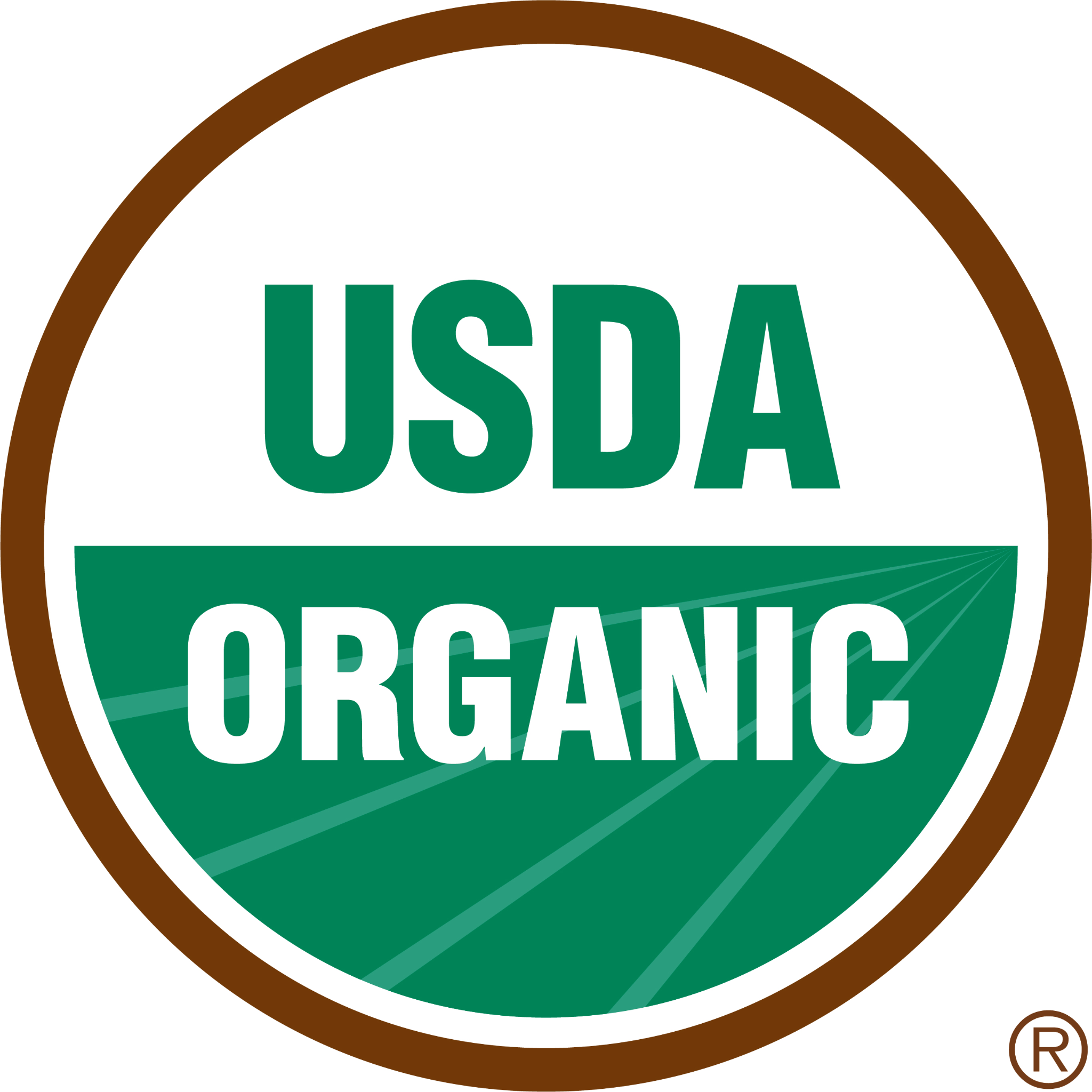
Look for this seal on qualifying “100% organic” and “organic” products.
Common Misconceptions About Organic Office Snacks
- Natural vs. organic: “Natural” isn’t a substitute for certified organic. The FDA’s policy addresses certain artificial or synthetic ingredients, but doesn’t establish requirements for farming practices such as pesticide use.
- Non-GMO vs. organic: Organic production prohibits genetic engineering, but a non-GMO claim alone doesn’t make a product organic. Organic standards also cover farming inputs, soil management, livestock care, and handling.
- Are organic office snacks completely unprocessed? Nope. Organic ingredients can still be baked into crackers, popped into popcorn, or turned into peanut butter cups. Certification doesn’t mean a snack is raw or unprocessed.
- Does organic mean pesticide-free? Organic farming restricts which pesticides can be used, but some approved substances are permitted when other pest-control methods aren’t sufficient.
- Are organic snacks automatically healthier? An organic label doesn’t guarantee more nutrients or less sugar or sodium. Check nutrition and ingredient labels, especially when accommodating allergies or other dietary needs.
50+ Organic Snacks and Drinks for the Office
Organic options can fit into every corner of your pantry, from the breakfast shelf to the beverage fridge. Use the list below to explore familiar flavors and a few new additions:
Snack Bars
- Aloha, Peanut Butter Chocolate Chip: A classic peanut butter and chocolate pairing for the snack shelf.
- GoMacro, MacroBar, Peanut Butter Chocolate Chip: A familiar flavor combination in a grab-and-go bar.
- Justin’s, Dark Chocolate Peanut Butter Cups: A dark chocolate treat for afternoon snack breaks.
- Justin’s, Milk Chocolate Peanut Butter Cups: A milk chocolate alternative for the office sweet tooth.
- MadeGood Foods, Granola Bar, Mixed Berry: A berry-flavored addition to your granola bar lineup.
- Perfect Snacks, Bar, Almond Butter: A refrigerated almond butter bar for the office fridge.
- Honey Stinger, Waffle, Cookies & Cream: A sweet waffle snack to change up the usual bar rotation.
- Pure Organic, Layered Fruit Bars, Variety Pack: Layered fruit flavors with several options in one pack.
Chips, Puffs & Popcorn
- Barnana, Organic Ribbed Plantain Chips, Himalayan Pink Salt: A salty plantain chip alternative.
- HIPPEAS, Chickpea Puffs, Vegan White Cheddar: Chickpea puffs with a savory white cheddar-style flavor.
- LesserEvil, Organic Popcorn, Himalayan Pink Salt: A simple, salty option for popcorn fans.
- gimme, Organic Roasted Seaweed Snacks, Sea Salt: Thin, savory seaweed sheets for a different kind of crunch.
- gimme, Wasabi Organic Roasted Seaweed Snacks: A wasabi-flavored option for those who like a little heat.
Fruit Snacks & Jerky
- Solely, Fruit Jerky, Mango: Mango in an easy-to-pack fruit strip.
- YumEarth, Organic Tropical Fruit Snacks: A tropical twist on the fruit snack favorite.
- Mavuno Harvest, Organic Dried Mango: Dried mango for a fruit-forward snack.
- Peeled Snacks, Mango: A dried mango pick for the snack shelf.
Tea
- Harney & Sons, Hibiscus Tea: A tart herbal option; choose the organic version.
- Numi Organic Tea, Aged Earl Grey: Black tea with the familiar flavor of bergamot.
- Rishi Tea, Masala Chai: A spiced tea to mix up the morning routine.
- Two Leaves and a Bud, Organic Assam Breakfast Black Tea: A breakfast tea for the morning mug.
- Organic & Pure Tea, White Tea: A white tea option to round out the selection.
Kombucha & Functional Drinks
- GT’s Synergy Kombucha, Trilogy: Another flavor to rotate into your kombucha lineup.
- Wildwonder, Raspberry Lychee: A raspberry-and-lychee flavor combination.
- Yerba Madre, Awakening Orange: An orange-flavored yerba mate drink.
- Ardor Energy, White Peach: A white peach option for the energy drink selection.
- ROAR Organic, Cucumber Watermelon: A cucumber-and-watermelon addition to the beverage mix.
- Vive Organic, Immunity Shot, Immunity Boost Original: A small-format shot for employees interested in this category.
Coffee & Cold Brew
- Intelligentsia, El Gallo Breakfast Blend: A breakfast blend for the office coffee station.
- Peace Coffee, Tree Hugger Signature Blend Dark Roast: A dark roast coffee bean for employees who prefer that style.
- Wandering Bear Coffee, Straight Black Cold Brew: A black cold brew for the iced coffee crowd.
- Blue Bottle Coffee, Cold Brew, Bold: A bold option for the refrigerated coffee selection.
- RISE Brewing Co., Nitro Cold Brew, Original Black: A nitro cold brew to change up the coffee routine.
Juice, Bottled Tea & Water
- Just Ice Tea, Berry Hibiscus Herbal Tea: A berry-and-hibiscus alternative.
- Teas’ Tea, Unsweetened Jasmine Green Tea: A jasmine green tea option for the fridge.
- Lemon Perfect, Just Lemon: A lemon-flavored water to add to the mix.
- Evolution Fresh, Organic Orange Juice: A familiar choice for office breakfasts.
- Suja Organic, Uber Greens: A green juice option to try with your team.
- Lakewood Juice Company, Organic Pure Carrot Juice: A carrot juice alternative for the beverage lineup.
- Saint James, Juicy Peach Black Tea: A peach-flavored bottled black tea.
- Harmless Harvest, Original Coconut Water: A coconut water option for the shared fridge.
- De La Calle, Pineapple Spice Tepache: A pineapple-and-spice drink for something different.
Dairy & Milk Alternatives
- Horizon, Organic 1% Lowfat Milk: A lowfat dairy option for the office fridge.
- Organic Valley, Organic Whole Milk: A whole milk alternative.
- Organic Valley, Half and Half: A dairy addition to the coffee station.
- Silk, Soymilk, Organic Unsweetened: An unsweetened soy-based milk alternative.
- So Delicious Dairy Free, Unsweetened Coconutmilk: A coconut-based option; select the organic version.
- Mooala, Organic Simple Oat Milk: An oat-based, dairy-free option to add to the rotation.
- Forager Project, Cashewmilk Yogurt, Vanilla: A vanilla cashew-based yogurt for the breakfast fridge.
- Norr Organic, Organic Non-fat Skyr Yogurt, Plain: A plain dairy yogurt to pair with fruit or granola.
- Nancy’s, Cream Cheese: A bagel companion; choose the organic variety.
Bread & Bakery
- Dave’s Killer Bread, Epic Everything Bagels: A savory base for an office breakfast.
- Dave’s Killer Bread, Cinnamon Raisin Remix Bagels: A cinnamon-and-raisin alternative.
- Food For Life, English Muffins, 7 Sprouted Grains: An English muffin option for the toaster station.
Breakfast & Cereal
- Bob’s Red Mill, Gluten Free Fruit & Seed Oatmeal Cup: A fruit-and-seed oatmeal cup; select the organic version.
- Nature’s Path, Sunrise Cereal, Crunchy Maple: A maple-flavored cereal for the breakfast shelf.
- Purely Elizabeth, Superfood Oat Cup, Apple Cinnamon Pecan: An oatmeal cup with apple, cinnamon, and pecan flavors.
- Olyra, Dark Chocolate Crème Breakfast Biscuits: A breakfast biscuit option for busy mornings.
- Cascadian Farm, Oats & Honey Granola: A familiar granola pairing for milk or yogurt.
How to Add Organic Snacks to Your Office Pantry
Your pantry doesn’t need a grand reopening. A few thoughtful additions can help you explore organic preferences while keeping employee favorites and spending in balance.
- Start with employee feedback: Ask which organic products your team wants to see, whether that’s coffee, milk, or more snack variety. Employee voting gives your team a place to weigh in while you balance their requests with budget and pantry needs.
- Test options across core categories: Start with a small selection that covers different parts of the pantry, such as an organic breakfast option, savory snack, beverage, and coffee addition. This gives employees who prefer organic options something to reach for throughout the day. Keep quantities small and gather feedback before expanding. A quick tasting paired with employee voting can help you choose which products to trial.
- Track what gets eaten: Review consumption, employee feedback, cost per serving, and leftover or expired stock over a few ordering cycles. Crafty’s pantry management tools bring consumption and voting data together to help you understand which additions are working. Consider office attendance and product placement when comparing results.
- Let the results guide the next order: Stock more of the repeat favorites, adjust quantities for slower movers, and introduce new options gradually. Aligning orders with actual consumption helps reduce excess while keeping the products employees enjoy within reach.
Organic Snack FAQs
How can you tell if a snack is certified organic?
Look for the USDA organic seal. Products labeled “100% organic” or “organic” (at least 95% organic ingredients) can display it. Products “made with organic” ingredients contain at least 70% organic ingredients but can't use the seal. Keep in mind that “natural” and “non-GMO” don't mean the same thing as certified organic.
Are organic snacks healthier than conventional snacks?
Not necessarily. Organic certification focuses on how ingredients are grown and processed, not their nutritional value. An organic cookie can still be high in sugar or sodium. Check the nutrition facts and ingredient list to find options that align with your team's dietary needs.
How do you add organic snacks without going over your pantry budget?
Start with a few organic options in popular categories like coffee, milk, and salty snacks. Track usage and employee votes to see what's worth keeping. With Crafty's employee voting and consumption data, you can identify favorites, adjust quantities, and make room for new options without overspending.
Build an Organic Pantry That Makes an Impact
Building an organic office pantry starts with a few healthy snack choices, not a sweeping snack replacement. Understand the labels, ask what your employees want, and introduce options at a pace that works for your team.
Crafty helps teams manage products, gather employee feedback, and keep pantry operations running smoothly. Start small, see what gets grabbed, and build an organic selection that earns its spot in your next order.
Related Resource
Blog
Best Organic Office Snacks: What to Stock and How to Read the Labels
October 13, 2026

Blog
Data Bites: Office Pantry Spend Per Employee by Industry in 2026
October 13, 2026

Blog
Inside Office Digest: How Crafty Measures Office Pantry Program Performance
October 12, 2026

Blog
Equipment Guide: Cold Water Machines for the Office
October 8, 2026

Blog
How to Reduce Office Pantry Costs with 7 Optimization Tips
October 8, 2026
Blog
November Holidays for Work: Snack Celebrations for Your Breakroom
October 8, 2026

Blog
How to Benchmark Your Office Pantry and Make the Case for What You Need
October 7, 2026
Blog
Fueling the Season: Inside a Pro Sports Organization's Workplace Food Program
October 7, 2026

Blog
How Much Does an Office Pantry Cost per Employee: 3 Tiers for 2027
October 7, 2026
Blog
How to Calculate Your 2027 Office Snack Budget
October 7, 2026