min read
October 8, 2026
How to Reduce Office Pantry Costs with 7 Optimization Tips
Six spend signals and the lever that solves each one.

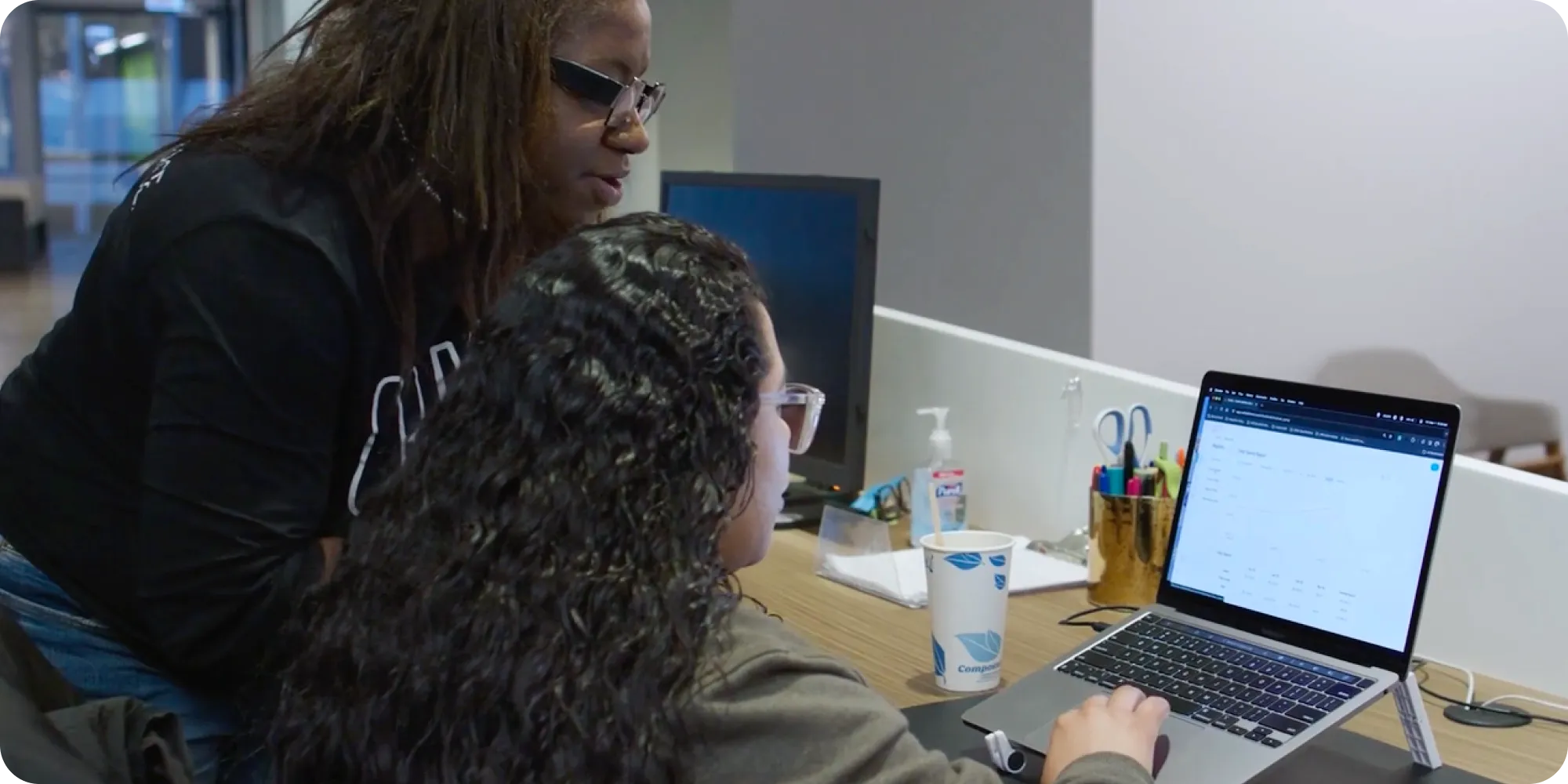
The fastest way to reduce office pantry costs is to catch problems before the next order goes out. What employees consume doesn't always match what you planned, so staying on budget means knowing what's moving, what's driving spend, and when it's time to make a change.
When those details go unchecked, small overages add up, products sit untouched, and teams are left reacting instead of planning. Finance starts asking questions, workplace teams spend hours troubleshooting, and leadership starts questioning the investment.
But when you have the right systems in place, you can track spend in real time, make product decisions based on actual consumption, and give finance and facilities a shared view of performance.
“Budget issues rarely show up all at once. They build slowly: missed targets, small exceptions, unclear accountability,” says Katy McNeer, General Manager of Emerging Markets at Crafty. “By the time they’re visible, they’ve already taken a toll.”
The good news? Most of these issues leave clues long before they become expensive problems. Here's what to watch for and how to fix it.
Key Takeaways
- Catch overages before the order goes out: Set order targets tied to your monthly budget so you can spot overspending and make adjustments before it's too late.
- Know which lever to pull: Whether it's swapping products, adjusting your mix, cutting slow movers, buying in bulk, or rethinking placement, the right fix depends on what's driving spend.
- Make the most of your existing budget first: Reallocate spend based on what employees actually consume before asking for more. If you do need a bigger budget, you'll have the data to back it up.
Why Office Pantry Spend Drifts After Launch
Your pantry budget starts with a plan, but what employees actually consume doesn't always follow it. Once the program is up and running, a few things can throw that plan off:
- Products move faster than expected: Popular snacks and beverages run out sooner, leading to larger orders and higher costs to keep up with demand.
- Certain categories eat up more of your budget: Spending on beverages, snacks, or fresh food can increase faster than planned, leaving less room for other pantry essentials.
- Employee preferences change: Seasonal trends, new products, and shifting dietary needs can change what employees reach for, leaving some products untouched while others fly off the shelves.
The sooner you catch these shifts, the easier it is to make adjustments before small changes turn into expensive problems.
Still figuring out your budget? Check out our office pantry budgeting guide or explore the 2026 Budget Report for the full framework.
7 Fixes to Optimize Your Office Pantry and Reduce Spend
Every spending issue has a different cause, so the fix should be different too. Once you know what your consumption data is telling you, you can make targeted changes without rethinking your entire program.
1. Catch Overages Before the Money Is Spent
The best time to optimize your pantry budget is before the money is spent. That means having visibility into spend when you're placing orders, choosing products, and making changes to your lineup.
The teams that stay on budget set order-level targets tied to their monthly budget, so they can catch problems before the next delivery goes out.
Here's what that looks like in practice:
- Before placing an order: See whether your order is above or below its target and make adjustments before it's finalized.
- When adding new products: Check how a new snack or beverage impacts your budget before adding it to your regular lineup.
- When demand increases: Spot products that are driving up order costs and adjust quantities based on actual consumption.
- When planning future deliveries: Review upcoming orders against your remaining monthly budget to avoid overspending later in the month.
Without clear budget controls, it's easy for small overages to go unnoticed until the end of the month. By then, you're left explaining the numbers instead of getting ahead of them.
How Crafty Puts This Into Practice: Crafty sets order-level budget targets and shows you where you stand when creating orders, editing future deliveries, and reviewing spend. The platform flags orders trending over or under budget before they're finalized, giving you the chance to make adjustments before those costs add up.
2. Swap Products That Eat Up Your Budget
Some products take up more of your pantry budget than others, especially when they're popular, premium, or both. But that doesn't mean you need to remove employee favorites to get costs under control.
Here's how to make smarter swaps:
- Find comparable alternatives: Swap higher-cost products for similar options at a lower price point so employees can still enjoy what they love.
- Limit availability: Offer premium products on certain days or at specific times instead of keeping them stocked around the clock.
- Try smaller sizes: Switch to mini or snack-sized versions of popular products to keep employee favorites in the pantry at a lower cost per item.
The goal is to keep the products employees love while finding opportunities to spend less on them.
How Crafty Puts This Into Practice: Crafty uses consumption data to recommend smarter swaps through Pantry Highlights. The platform analyzes your usage patterns, local preferences, and broader food and beverage trends to suggest alternatives, with the budget impact of each recommendation shown before you make the switch.
3. Rebalance Categories That Take Over Spend
When one category starts eating up more of your pantry budget, it leaves less room for everything else. Beverages, snacks, and fresh food can all creep up in cost, and before you know it, your monthly budget is off track.
Here's how to find a better balance:
- Cut back on overlapping products: Reduce similar flavors, brands, or varieties within a category so employees still have options without unnecessary spending.
- Focus on what employees actually consume: Look at which categories get the most use and whether your budget reflects those preferences.
- Shift dollars where they'll have the most impact: Reallocate spend from overbuilt categories to products employees reach for most.
- Adjust quantities before removing products: Scale back how much you order to see if you can reduce costs without taking away options employees enjoy.
The goal is to make sure your budget reflects what employees actually consume, with the right balance of variety, availability, and cost.
How Crafty Puts This Into Practice: Crafty breaks down your spend by category and product, giving you visibility into where your budget is going. You can spot categories that are growing faster than expected, identify opportunities to rebalance, and make adjustments before they crowd out the rest of your pantry.
4. Cut the Slow Movers
Products that sit on the shelf cost you twice: once when you buy them and again when they go to waste. They're also taking up valuable space that could go to products employees actually want.
Here's how to clean up your lineup:
- Scale back quantities: Some products move slower because they serve a smaller group, like gluten-free or allergen-friendly options. Keep them available in quantities that match demand.
- Remove products that aren't moving: If something consistently sits untouched, it's probably time to replace it with something employees will actually eat.
- Reinvest the savings: Put the money you're no longer spending on slow movers toward products employees consistently reach for.
Reviewing slow movers regularly helps you reduce waste, free up shelf space, and make better use of your existing budget.
How Crafty Puts This Into Practice: Pantry Highlights automatically flags slow-moving products and recommends replacements based on what employees actually consume. That way, you can make informed decisions about what to keep, scale back, or swap without having to guess.
5. Go Bulk on High-Volume Items
The products employees consume most are often your biggest opportunities to save. Switching from single-serve packaging to bulk formats can lower your cost per serving while cutting back on packaging waste.
Here's where going bulk makes sense:
- Cold coffee: Swap individual cans and bottles for larger formats, like cold brew keg on tap or ready-to-pour containers.
- Sparkling water: Replace single-serve cans with an office water machine that gives employees their favorite bubbles on demand.
- Nuts and trail mix: Switch from individual snack packs to bulk dispensers so employees can serve themselves.
- Cereal, granola, candy, and more: Replace single-serve with bulk containers to bring down the cost per serving.
Of course, bulk only saves money if employees actually consume it. Focus on high-volume favorites where the savings outweigh the risk of waste.
How Crafty Puts This Into Practice: Crafty uses consumption data to identify where switching to bulk formats makes financial sense, helping you lower costs without sacrificing the products employees love.
6. Rethink Placement for Fast Movers
Where products sit in your pantry can influence how quickly employees reach for them. If your most expensive snacks are front and center, chances are they'll disappear faster, driving up your reorder costs.
Here's how to make your pantry layout work harder for your budget:
- Move premium products out of the spotlight: Place higher-cost favorites on lower shelves or in less prominent spots to help moderate consumption without removing them entirely.
- Put affordable favorites front and center: Give lower-cost, popular products the best shelf space to encourage employees to reach for them first.
- Be strategic about timing: Put out higher-cost favorites at certain times of day instead of keeping them stocked around the clock.
- Test different layouts: Track consumption before and after moving products to see whether placement is actually making a difference.
Sometimes, reducing spend is as simple as rearranging a shelf. Small changes in placement can influence what employees choose without taking away the products they love.
How Crafty Puts This Into Practice: Crafty's pantry experts use consumption data to guide product placement and merchandising. By putting affordable, high-volume favorites in prominent spots and positioning premium products more strategically, they help influence consumption and keep costs under control.
7. Trim the Lineup When Spend Gets Ahead of Plan
Sometimes your pantry spend gets ahead of your monthly budget, and you need to make adjustments fast. A few small changes to your upcoming orders can help you get back on track without disrupting the employee experience.
Here's how to make quick adjustments:
- Pause select varieties: Temporarily remove a few flavors or brands to reduce costs without eliminating an entire product category.
- Scale back quantities: Reduce order sizes for products where you have some flexibility, especially those with extra inventory already on the shelf.
- Swap in lower-cost alternatives: Replace a few premium products with comparable, more affordable options for the rest of the month.
- Prioritize employee favorites: Protect your most popular products and dietary essentials while trimming options that employees are less likely to miss.
These small adjustments can help you stay within budget while you figure out what's driving the increase and whether a longer-term change is needed.
How Crafty Puts This Into Practice: Crafty surfaces optimization opportunities right where decisions happen, from placing orders to reviewing reports. That way, you can quickly identify where to cut back, swap products, or adjust quantities before costs add up.
Looking for more ways to save? Explore 12 additional strategies in our Office Pantry ROI Playbook.
How Real Workplaces Reduce Office Pantry Costs
Most pantry budget gaps can be solved by making better use of the money you're already spending. Before asking finance for more, look at where you can reallocate dollars, adjust your product mix, or cut unnecessary costs.
Here's how Crafty clients have put that into practice:
- Grubhub: Between opening a new Chicago headquarters and navigating hybrid work, Grubhub's budget needs kept changing. Crafty's account team analyzed spend, recommended product adjustments, and built sample orders around each new budget target. “Before, we had been on a roller coaster with our budget,” says Grubhub's Workplace Manager. “With Crafty, it's seeing the budget: both high-level and the fine details.”
- A leading fintech company: Moving offices across four cities meant rethinking the pantry without losing employee favorites. Working with Crafty, the team reviewed spend, adjusted product sizes, and found ways to keep costs down while maintaining the experience. The result? “Our overall budget is shrinking while employee satisfaction is growing.”
- NerdWallet: Managing pantry programs across multiple offices requires knowing where every dollar goes. With real-time visibility into spend and consumption across locations, NerdWallet can track performance without waiting for an invoice. “I get to watch our budget in real-time,” says Dakota Blakely, Head of Real Estate and Workplace Services. “We've had zero complaints from our locations, which is how I gauge success.”
Of course, sometimes you really do need more budget. Growing headcount, higher office attendance, or expanding into a new floor or location can all justify a bigger investment. But doing the optimization work first gives you the consumption data and spending trends to make a stronger case to finance.
Before you make that ask, see how your investment stacks up. Benchmark your pantry against similar workplaces to understand whether you're spending too much, too little, or right where you should be.
Reduce Office Pantry Cost FAQs
How do you reduce office pantry costs?
Start by looking at where your money is going and what employees actually consume. Are premium products driving up costs? Are you ordering more than employees eat? Is one category taking up too much of your budget? Each problem calls for a different fix, whether that's swapping products, adjusting quantities, cutting slow movers, or switching to bulk. The goal is to find savings within your existing budget before making cuts employees will notice.
How do you know if your office pantry spend is off track?
Your monthly invoice shouldn't be the first sign of a problem. You need reporting at the order, office, and company level to see how actual spend compares to your budget. Start with order-level targets to catch overages before they happen, then look at spending trends across locations to see where costs are climbing. Dig into consumption data to spot categories taking up more budget, products selling out too quickly, or slow movers going untouched. The more visibility you have, the easier it is to catch problems early and know exactly where to make adjustments.
How do you cut snack costs without the pantry feeling cheap?
Focus on keeping the variety employees love while changing how you buy and stock it. Try mini versions of premium snacks, swap expensive brands for comparable alternatives, or reduce overlapping flavors. You can also use product placement and timing to encourage employees to reach for more affordable favorites. Small changes behind the scenes can add up to meaningful savings without making the pantry feel like it's been downgraded.
What’s the fastest way to lower beverage spend?
Start with the drinks employees go through the fastest. If you're constantly restocking sparkling water cans, a machine like Bevi could lower your cost per serving. The same goes for replacing single-serve cold coffee with cold brew on tap. Compare your current consumption and costs against the bulk alternative, including equipment and service fees, to see where the savings make sense.
Keep Office Pantry Costs on Track Year-Round
An optimized pantry doesn't always mean having the largest budget; it means using tools and strategies to stretch every dollar as far as it will go. Programs that rely on gut feel or manual oversight tend to overspend and underdeliver. But when you lead with data, structure, and purpose, your pantry becomes a model of operational discipline.
Every dollar should be working at max capacity to power smarter product decisions, preventing last-minute scrambles, and proving value across every office.
The Pantry Optimization Playbook lays out the exact strategies top teams use to make every dollar count. From aligning budget to usage to eliminating waste before it starts, to setting smarter guardrails across locations, it’s your strategic roadmap for building a leaner, smarter, and more impactful pantry program.
Related Resource

Blog
Office Pantry Services in Texas: How Crafty Is Growing Across Dallas, Austin & Houston
October 15, 2026

Blog
What Makes Fruit “Office-Ready”? From Farm Selection to Delivery Standards
October 15, 2026
Blog
The Procurement Guide to Evaluating Office Pantry Providers
October 14, 2026

Blog
Equipment Guide: Sparkling Water Machines for the Office
October 14, 2026

Blog
Best Organic Office Snacks: What to Stock and How to Read the Labels
October 13, 2026

Blog
Data Bites: Office Pantry Spend Per Employee by Industry in 2026
October 13, 2026

Blog
Inside Office Digest: How Crafty Measures Office Pantry Program Performance
October 12, 2026
Blog
Equipment Guide: Cold Water Machines for the Office
October 8, 2026
Blog
How to Reduce Office Pantry Costs with 7 Optimization Tips
October 8, 2026
Blog
November Holidays for Work: Snack Celebrations for Your Breakroom
October 8, 2026