min read
March 3, 2026
How GLP-1 Use is Impacting Your Office Pantry
What workplace leaders need to know about the shift in workplace eating habits.
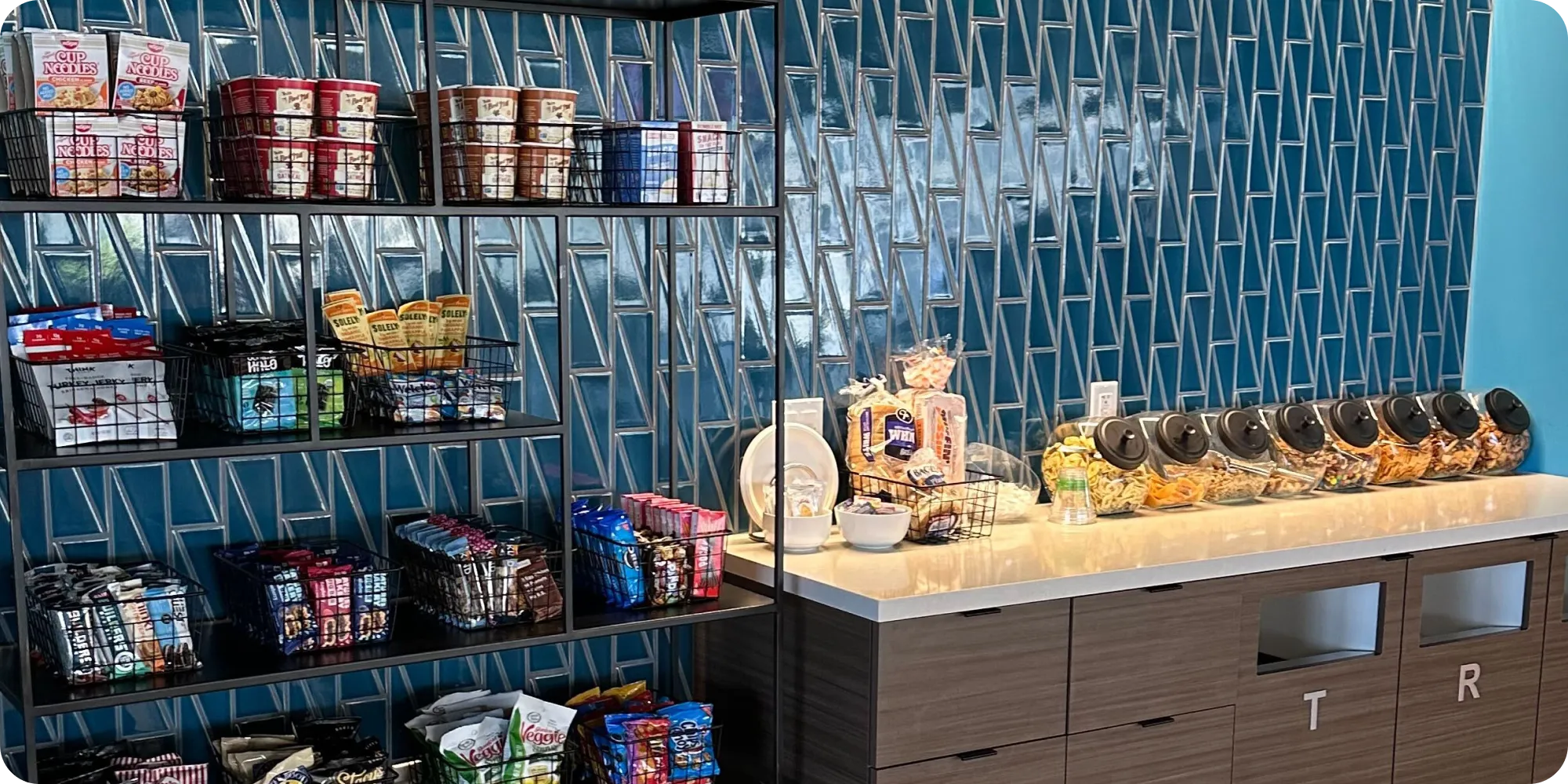
.webp)

Medications like Ozempic, Wegovy, and Mounjaro have quickly become part of everyday conversation, and they’re changing how people eat in ways that extend far beyond personal health.
From smaller portions and fewer snack cravings to shifting coffee habits, GLP-1 use is quietly reshaping workplace eating patterns. For companies investing in their office pantry, that shift has real implications for what, how, and how much employees want at work.
What Are GLP-1 Medications?
They’re prescription medications that help people feel full sooner, stay full longer, and think about food less throughout the day. Originally developed to treat type 2 diabetes, GLP-1 medications are now widely used for weight loss.
While these medications have been around since the early 2000s, adoption has accelerated rapidly. A recent survey found 12.4% of Americans report taking semaglutide for weight loss, which is up 5.8% from the year prior.
With expanded access and new oral options entering the market, GLP-1s are no longer niche. They’re becoming a mainstream force influencing how people eat everywhere, including at work.
How They Work
GLP-1 medications mimic a natural hormone in the body that:
- Regulates blood sugar
- Slows digestion
- Increases feelings of fullness
The result? Smaller portions. Fewer cravings. Less “food noise.”
Common Brand Names
You’ve likely heard of:
- Ozempic
- Wegovy
- Mounjaro
- Zepbound
- Semaglutide generics
Common Effects Reported by Users
- Reduced hunger
- Longer-lasting satiety
- Lower overall calorie intake
- Increased sensitivity to fried, sugary, spicy foods, and alcohol
How GLP-1 Changes Eating Habits
GLP-1 medications are reducing how much people eat and why they eat. Many users describe experiencing “quieted food noise,” meaning fewer cravings and less mental preoccupation with food throughout the day. With appetite signals dampened and fullness lasting longer, consumption becomes more intentional. At scale, this creates three major consumer shifts.
1. Smaller, More Intentional Meals
Portions shrink. Meals become more strategic. Protein, fiber, and vegetables often replace calorie-dense or carb-heavy options. Rather than large, indulgent lunches, many users gravitate toward lighter, balanced meals that sustain energy without discomfort.
2. Decline in Impulse Snacking
Impulse snacking drops significantly. Spending declines in ultra-processed categories like chips, sweets, and sugary beverages. The habitual “grab something because it’s there” behavior weakens as cravings decrease.
3. Evolving Tastes and Food Sensitivity
Because GLP-1 medications slow digestion, food remains in the stomach longer. High-fat or spicy foods such as pizza, fried chicken, or hot sauces may feel less appealing or cause discomfort. Lighter, protein-forward, nutrient-dense options often feel more satisfying.
These shifts start at home, but they don’t stay there.
How GLP-1 Is Changing Office Food Culture
When millions of consumers change how they eat, workplace food environments inevitably adjust. Here’s how that shift typically shows up at work, and what employers can do about it.
#1 Fewer Impulse Snacks in the Office
- What’s Changing: As cravings decrease, spontaneous snacking slows and employees become more intentional about what they choose.
- How to Respond: Monitor which products are slowing down, and let the data inform what changes you make in real-time.
#2 Increased Demand for Protein-Forward Options
- What’s Changing: Protein is becoming a priority in the office pantry, with employees actively seeking options that feel more sustaining and balanced throughout the day.
- How to Respond: Build more protein-forward snacks into your assortment, prioritizing items with at least 8 to 12 grams of protein per serving.
#3 Hydration Over Sugary Beverages
- What’s Changing: More employees are skipping soda and reaching for sparkling water, electrolytes, and unsweetened teas.
- How to Respond: Make room for beverages that offer added benefits, like electrolytes, vitamins, or functional hydration support.
#4 Product Visibility Drives Smarter Choices
- What’s Changing: As eating becomes more intentional, placement matters more. Employees are more likely to choose what’s visible and accessible.
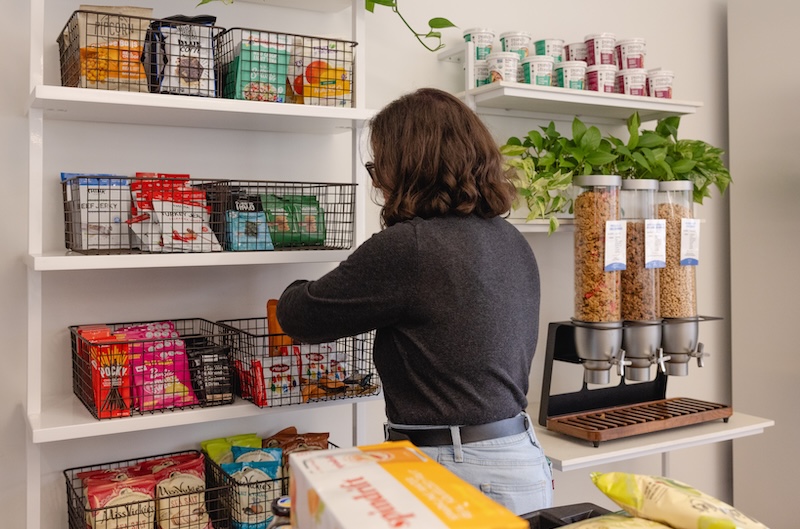
- How to Respond: Place protein snacks and hydration drinks at eye level and in easy-to-reach spots. Move less nutrient-dense options slightly out of the spotlight without removing them altogether.
What This Means for Employers
This is less about trends and more about alignment. When eating habits shift, even subtly, your pantry program needs to keep pace.
The goal is not to overcorrect or remove choice. It is to stay close to the data, spot patterns early, and adjust with intention.
The companies that get this right treat their pantry strategy as dynamic, not static. They pay attention, make small smart shifts, and ensure their investment continues to reflect how employees actually live and work today.
Related Resource

Blog
Office Pantry Services in Texas: How Crafty Is Growing Across Dallas, Austin & Houston
October 15, 2026

Blog
What Makes Fruit “Office-Ready”? From Farm Selection to Delivery Standards
October 15, 2026
Blog
The Procurement Guide to Evaluating Office Pantry Providers
October 14, 2026

Blog
Equipment Guide: Sparkling Water Machines for the Office
October 14, 2026

Blog
Best Organic Office Snacks: What to Stock and How to Read the Labels
October 13, 2026

Blog
Data Bites: Office Pantry Spend Per Employee by Industry in 2026
October 13, 2026
Blog
Inside Office Digest: How Crafty Measures Office Pantry Program Performance
October 12, 2026
Blog
Equipment Guide: Cold Water Machines for the Office
October 8, 2026
Blog
How to Reduce Office Pantry Costs with 7 Optimization Tips
October 8, 2026
Blog
November Holidays for Work: Snack Celebrations for Your Breakroom
October 8, 2026