min read
March 12, 2026
GLP-1 Friendly Office Pantry 101
How to adapt your workplace pantry strategy in the age of GLP-1, smaller appetites, and more intentional employee eating habits.

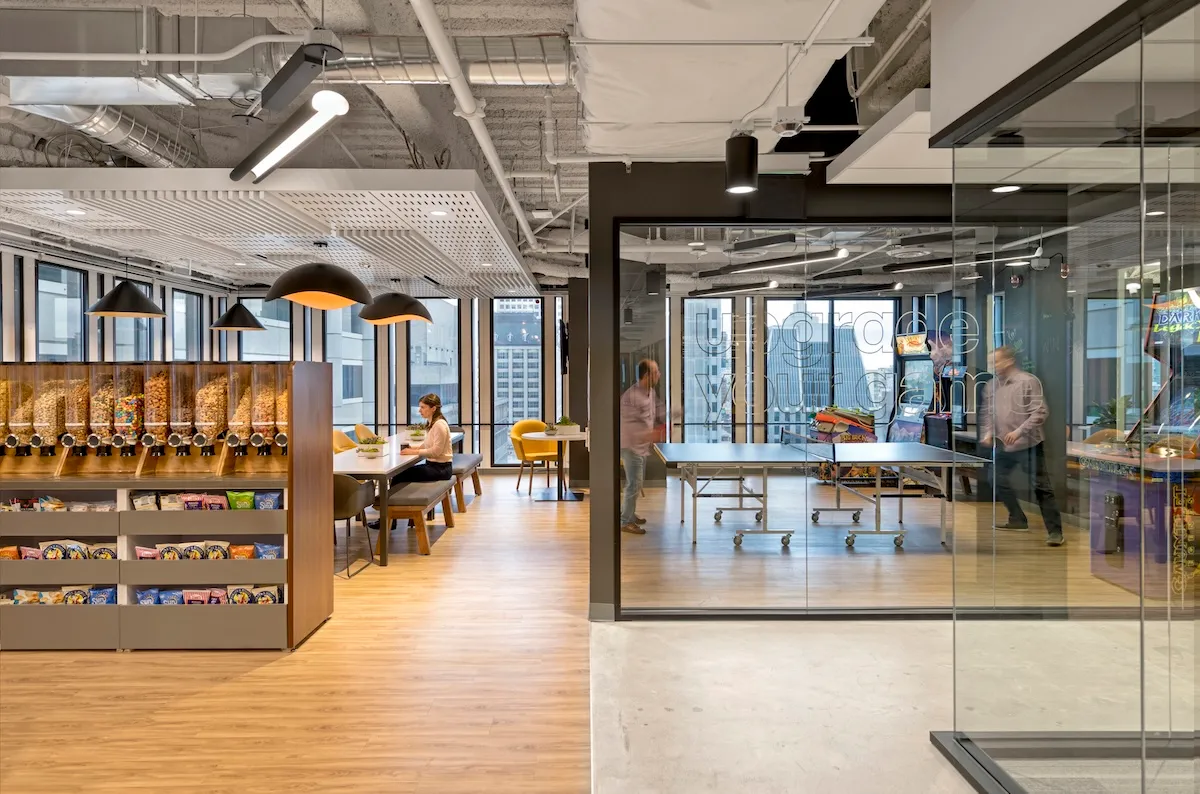
For years, office pantries were built around abundance. More snacks. More variety. More indulgence.
Now, GLP-1 medications are quietly reshaping how employees eat at work.
You’ve likely heard the brand names such as Ozempic, Wegovy, and Mounjaro. What you may not realize is just how widespread their use has become. 1 in 8 adults say they are currently taking a GLP-1 drug, and that shift is starting to show up in the workplace: appetites are smaller, cravings are quieter, and food decisions are more intentional.
Below, we break down what this medication is, how it is influencing workplace consumption patterns, and the practical steps you can take to create a GLP-1-friendly office pantry strategy.
What Is GLP-1
Let’s channel our inner Bill Nye the Science Guy for a moment (Bill Bill Bill...iykyk).

GLP-1, short for glucagon-like peptide-1, is a hormone your body naturally produces after you eat. Its job is to regulate blood sugar, slow digestion, and signal to your brain that you are full.
These medications work by mimicking or amplifying this hormone’s effects to slow gastric emptying and strengthen satiety signals to change how people experience hunger throughout the day. In practical terms, that often means:
- Feeling full sooner
- Staying full longer
- Experiencing fewer cravings
- Naturally eating smaller portions
Again, you’ve likely heard the brand names tied to these medications, including Ozempic, Wegovy, Mounjaro, and Zepbound. Put simply, instead of relying on willpower alone, these medications reinforce the body’s internal cues so that managing portions and cravings feels more automatic.
How Widespread Is GLP-1 Usage
GLP-1 adoption has accelerated over the past few years, and interest is not slowing. Research shows that one in five adults says they would be interested in taking a GLP-1 drug to lose weight. That level of demand points to a sustained shift in how people think about hunger, portions, and food overall.
When eating habits evolve at that scale, pantry behavior evolves with them. In the workplace, that often shows up as:
- Increased waste in once popular categories that don't meet health goals, such as those that have excess sugar, carbs, etc.
- Slower movement of impulse-driven snacks like your candy, chocolates, or other high-sugar options
- Growing demand for functional foods for work that prioritize protein, fiber, hydration, and more
With these shifts in mind, it helps to take a closer look at what employees are increasingly prioritizing at work.
What Employees on GLP-1 Are Actually Looking For
When appetite changes, expectations change with it. Employees taking GLP-1 medications eat less overall but make more thoughtful choices. Smaller portions mean each choice carries more weight.
Here are the four things GLP-1 users are trying to pack in:
- Protein to help maintain muscle mass and steady energy when total intake decreases. Many aim for 20 to 30 grams per meal and 8 to 15 grams per snack.
- Fiber to support digestion and blood sugar stability. Most adults need 25 to 38 grams of fiber daily, and many do not meet this recommendation.
- Lower sugar options, as highly processed or overly sweet foods can feel heavier and less appealing when digestion slows.
- Hydration and electrolytes to maintain fluid balance and energy, particularly when appetite suppression reduces overall consumption.
The common theme is efficiency. Employees are choosing fewer items, but they expect those items to work harder.
Popular Office Pantry Products for GLP-1 Users
Once appetite shifts, the pantry mix needs to shift with it. This is less about removing indulgence and more about elevating options that deliver more value per bite or sip.
Protein-Powered Staples
When overall intake decreases, protein becomes non-negotiable. It is the macro that preserves muscle, stabilizes energy, and makes smaller portions feel complete instead of lacking.
- Barebells Creamy Crisp with 30g protein and just 1g sugar
- OWYN Pro Elite Vanilla Zero Sugar with 32g protein and 0g sugar
- IQBAR Lemon Blueberry with 12g protein and 7g fiber
- Think Jerky Beef Stick with 4g protein and 0g sugar
- KiZE Peanut Butter Honey with 7g protein and 3g fiber
- Hard-boiled eggs with about 6 to 7g of protein per egg
- Chobani Greek Yogurt with about 12-20g of protein
- Almonds offer roughly 6g of protein per ounce
- Cottage cheese has 12-15g of protein per serving
Fiber-Forward Favorites
When digestion slows, fiber becomes essential. It supports gut health, regulates blood sugar, and makes smaller meals feel more balanced.
- IQBAR Lemon Blueberry with 7g of fiber
- Wholly Guacamole Cups with about 3g of fiber per serving
- Kirkland Organic Hummus Cups with roughly 2-3g of fiber per serving
- Berries such as raspberries offer around 8g of fiber per cup
- Apples provide about 4g of fiber per medium fruit
- Special K Cereal Cup with around 3g or more of fiber per serving
- HIPPEAS Chickpea Puffs with 3g of fiber, plus 4g of protein
- SmartSweets Peach Rings with 6g of fiber and just 3g of sugar
Low-Sugar Go-To’s
As employees' appetites recalibrate, tolerance for highly sweet or heavily processed foods often shifts. Lower-sugar options help maintain steady energy, reduce spikes and crashes, and tend to feel lighter overall.
- ITO EN Golden Oolong with 0g sugar
- Lemon Perfect Dragon Fruit with 0g sugar
- Hint Sparkling Water with 0g sugar
- Gatorade Zero with 0g sugar
- CELSIUS Energy Drink with 0g sugar
- OLIPOP with 2–5g sugar and added prebiotic fiber
- Poppi with about 5g sugar and apple cider vinegar
- UnReal Dark Chocolate Almond Butter Cups with about 5g sugar
- SmartSweets Peach Rings with 3g sugar
- Fresh fruit like apples, berries, and citrus, where natural sugars come paired with fiber
Electrolyte & Functional Hydration
When people eat less, they often drink less without realizing it. Electrolytes support hydration, helping maintain steady energy and focus.
- Bevi Electrolytes with zero sugar and added B vitamins
- Gatorade Zero with electrolytes and 0g sugar
- BODYARMOR Orange Mango with 700mg potassium
- Harmless Harvest Coconut Water with over 500mg potassium per serving
- Hint Sparkling with Electrolytes with 0g sugar
- ZOA Zero Sugar Energy Drink with electrolytes and 0g sugar
- Liquid I.V. Sugar-Free Hydration Multiplier
- Unsweetened herbal teas that support hydration without added calories
Multi-Benefit Picks
When portions shrink, the most valuable pantry options are those that layer benefits together. Check out Volume II of Snack Hacks for even more recs.
- IQBAR Lemon Blueberry with 12g protein, 7g fiber, and low sugar
- Catalina Crunch Honey Graham Cereal paired with Chobani Greek Yogurt for a protein + fiber breakfast combo
- HIPPEAS Chickpea Puffs enjoyed with Wholly Guacamole Cups for plant protein, fiber, and healthy fats
- Kirkland Hummus Cups with baby carrots or whole-grain crackers for fiber plus balanced carbs
- Cottage cheese cups topped with berries for protein plus natural fiber
- Greek yogurt paired with almonds or chia seeds to layer protein, fiber, and healthy fats
- Barebells or OWYN alongside a small piece of fruit for protein plus fiber
- OLIPOP paired with a handful of almonds for prebiotic fiber plus healthy fats
- Hard-boiled eggs with an apple for protein plus fiber in a simple grab-and-go format
Addressing Common GLP-1 Side Effects Through Pantry Design
GLP-1 medications affect digestion and may cause temporary side effects, especially during the first few months. Not every employee experiences them, but many report some degree of adjustment as their bodies adapt.
A thoughtful pantry does not need to medicalize these effects. It simply needs to offer options that feel easier, lighter, and supportive.
- Nausea: Lighter, bland options tend to be better tolerated when digestion slows. Keep simple choices like plain crackers, ginger sodas, and peppermint tea.
- Reduced Appetite: When employees are eating less, nutrient density matters. Stock protein-packed snacks that have other benefits too, such as Uncrustables (protein +fats), Greek yogurt, IQBARS (fiber and protein), etc.
- Bloating or Sensitivity: On this medication, food can linger, so opt for options that help your team digest, such as sodas with pre/probiotics like Poppi or OLIPOP, peppermint tea, or even bananas that are gentle on the stomach.
- Constipation: We know talking about poop at work is weird, but it's REAL. Make sure you have fiber-rich options such as oatmeal cups, berries, apples, and hummus.
- Dehydration: When intake drops, fluids often drop too. This is why electrolytes are your friend: coconut water, hydration mix-ins, and herbal teas.
Do You Need to Remove Indulgent Snacks
Short answer: No.
The goal is not elimination. It is alignment. Not every employee is taking these medications, and not every employee wants a high-protein bar over a cookie. Culture still matters here, and we don't want to take away from that.
If indulgent snacks currently dominate your shelves, consider:
- Scaling back on categories that are no longer seeing as much traction (because you obviously have pantry consumption reports to know that)
- Adjusting order quantities in slower-moving products so that you only have what you need
- Giving protein, fiber, low-sugar, hydration options with equal or greater shelf presence
- Test a few better-for-you options and see how employees respond
When healthier, functional snack options are easy to see and easy to grab, employees who want them will choose them. Those who do not still have a choice.
How to Adjust Your Pantry Mix With Data
Adapting to GLP-1-driven behavior shifts does not require a dramatic overhaul. It requires small, data-backed adjustments.
- Build from what’s already working. Identify strong-performing subcategories and introduce one better-for-you option within that set, whether that means higher protein, lower sugar, added fiber, or electrolytes.
- Scale only after traction. If the new item performs well, expand thoughtfully by adding another flavor or similar products, keeping budget and consumption in mind.
- Use momentum to explore adjacent categories. Strong protein snack performance may justify testing protein shakes. Growth in sparkling water may signal readiness for electrolyte beverages.
How to Minimize Waste When Employees Are Eating Less
Smaller appetites can quietly increase waste if ordering habits stay the same. To stay aligned:
- Test mini versions of popular items. Smaller bars, snack-size candy, or mini pretzels better match shifting appetites without removing nostalgia and variety.
- Introduce bulk formats. Bulk nuts, cereal, or protein bars allow employees to control portion sizes instead of opening full single-serve items they may not finish.
- Leverage variety packs to test demand. Variety formats let you experiment with flavors without committing. If something flies off the shelf, you scale it. If it lingers, you pivot.
- Adjust par levels intentionally. Revisit minimum and maximum stock levels in slower-moving categories so you are ordering what is needed today.
How to Organize Your Pantry for Smarter Choices
Layout influences behavior more than most people realize. What sits at eye level gets chosen first. What feels accessible feels intentional.
The goal is not just to drive healthier choices. It is to do so without inflating spending.
- Put affordable, healthy staples at eye level. Fresh fruit, trail mixes, almonds, oatmeal cups, and cereal are budget-friendly and nutrient-dense. When these are the first things employees see, they become the default choice.
- Position premium convenience items slightly off prime placement. Protein shakes, high-end bars, and other higher-cost SKUs should still be available, just not the immediate first reach. This keeps choice intact without encouraging unnecessary spending.
- Create a clear hydration zone with no barrier to entry. Group electrolyte drinks, coconut water, zero-sugar beverages, and sparkling options together in a visible, easy-access area. When hydration is front and center, employees are more likely to refill throughout the day, and it naturally becomes part of workplace culture.
Why Supporting Changing Eating Habits Is Good for Business
When your pantry reflects how employees actually eat, it becomes more than a perk. It becomes performance infrastructure.
- 75%+ of employees report stress-related health issues. Function-forward options like protein, fiber, and hydration help sustain focus and cognitive performance under pressure.
- Well-being leaders outperform the market. Companies in the top tier of employee well-being treat food programs as an operational strategy.
The Bottom Line
GLP-1 medications are accelerating a broader shift toward smaller portions, higher nutrient density, and more intentional workplace eating. The smartest response is not a dramatic overhaul, but steady, data-backed evolution. By elevating protein, fiber, and hydration, organizing your space strategically, and scaling what actually moves, your office pantry can reflect how employees live and work today. When you align food programs with real behavior, you reduce waste, protect budget, and support performance all at once.
Related Resource

Blog
Your Office Guide to the Types of Protein in Snacks
October 23, 2026

Blog
Equipment Guide: The Best Office Coffee Machines for Your Team
October 22, 2026

Blog
Best Low Carb Snacks for the Office Pantry
October 21, 2026

Blog
Office Pantry Services in Texas: How Crafty Is Growing Across Dallas, Austin & Houston
October 15, 2026

Blog
What Makes Fruit “Office-Ready”? From Farm Selection to Delivery Standards
October 15, 2026
Blog
The Procurement Guide to Evaluating Office Pantry Providers
October 14, 2026

Blog
Equipment Guide: Sparkling Water Machines for the Office
October 14, 2026

Blog
Best Organic Office Snacks: What to Stock and How to Read the Labels
October 13, 2026

Blog
Data Bites: Office Pantry Spend Per Employee by Industry in 2026
October 13, 2026

Blog
Inside Office Digest: How Crafty Measures Office Pantry Program Performance
October 12, 2026