min read
April 22, 2026
Data Bites: Most Popular Better-For-You Treats at Work
Market trends and Crafty insights behind the shift toward smarter indulgence in the workplace.

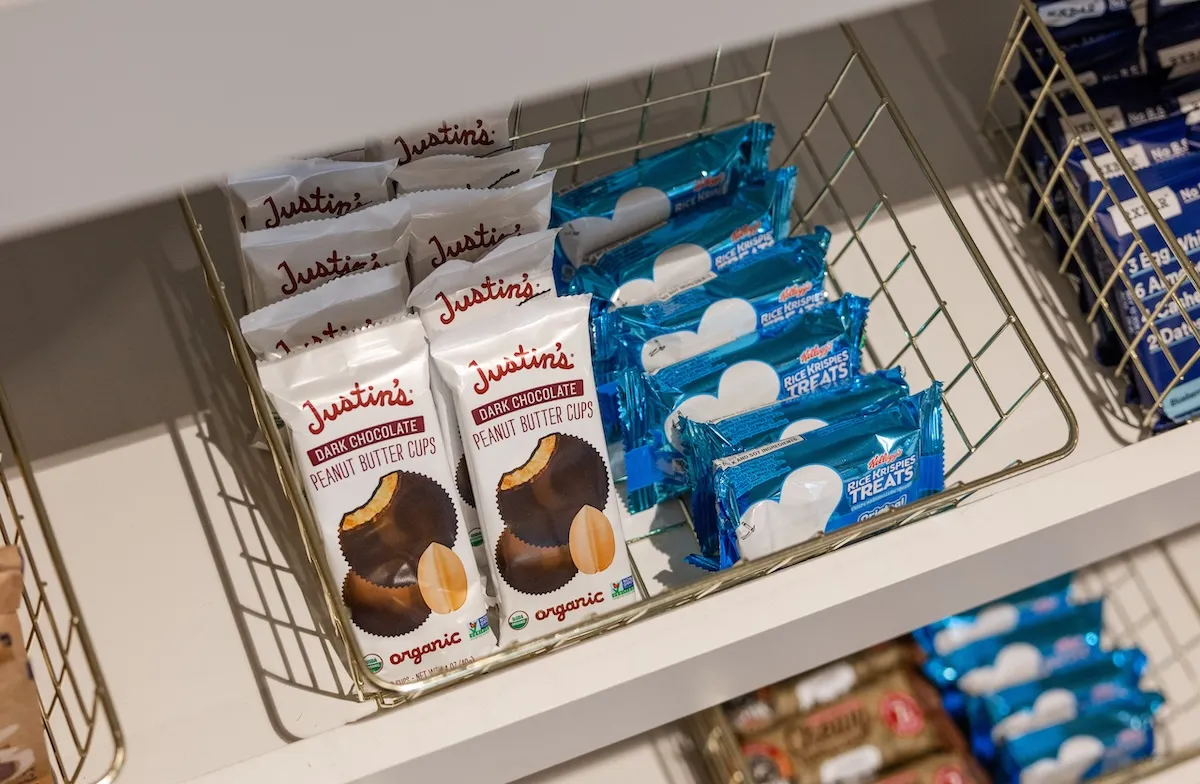
As awareness around sugar continues to grow, employees are becoming more intentional about what office snacks they consume throughout the day. That shift is redefining the types of sweet treats employees are reaching for.
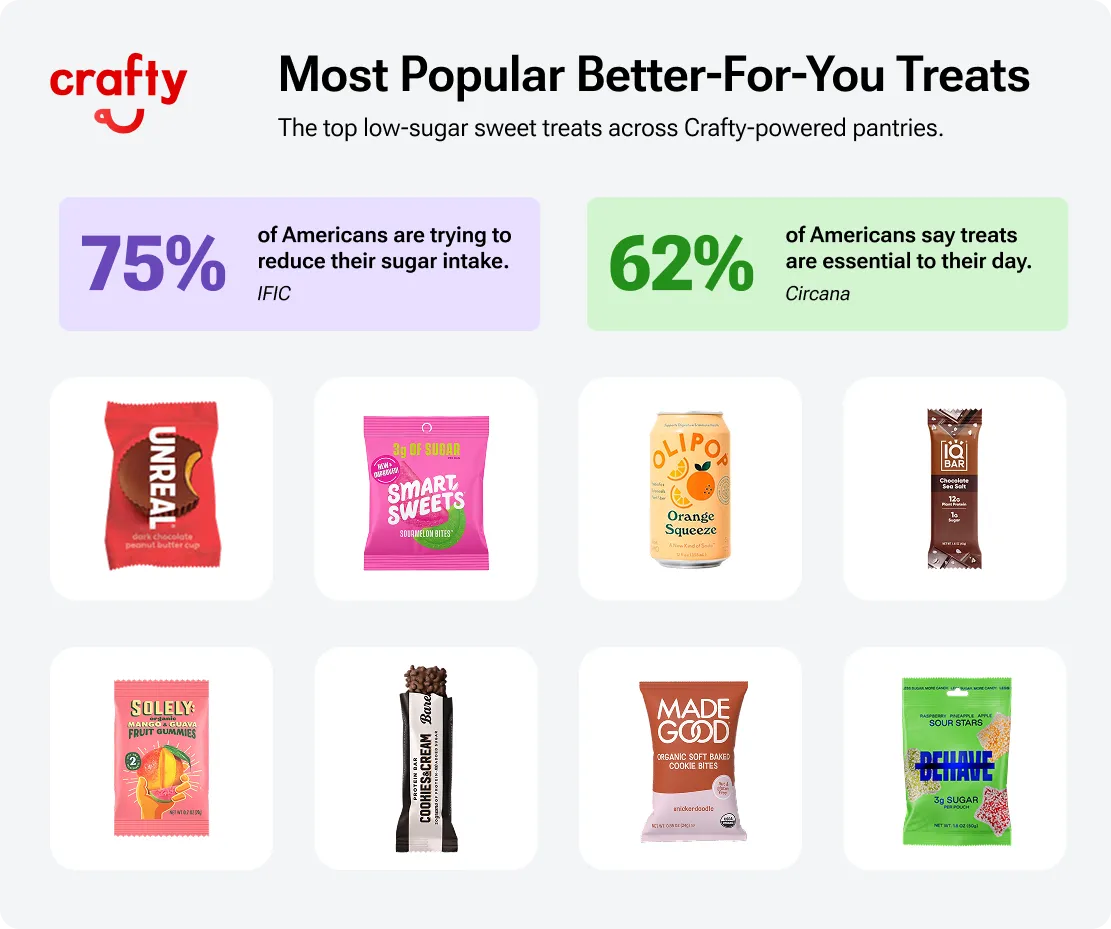
Today, 75% of Americans are actively trying to reduce their sugar intake, yet 62% of consumers still say treats are essential to their day. Inside Crafty-powered workplaces, employees are choosing smarter indulgences that do more than just satisfy a craving. They are looking for sweet treats that pack a punch and align with how they want to feel throughout the workday.
Yes, there are still sweet rewards, but those are becoming more thoughtful. Let's dig into the office pantry data.
How Low-Sugar Treats Impact Performance
As expectations rise, even indulgent moments are being evaluated for how they contribute to consistency and performance. Smarter sweets are designed to give us the sugar-rush taste without the pitfalls.
Here's how low-sugar, functional office snacks help sustain performance throughout the workday:
- Low-sugar snack at work stabilizes energy by reducing spikes and crashes that lead to mid-day fatigue
- High-fiber office snacks supports long-term health, digestion, and sustained focus
- The rise of high-protein snacks supports key brain functions, keeps blood sugar steady, and maintains productivity
What’s Driving Smarter Indulgence
Across Crafty-powered pantries, the shift toward better-for-you treats is being shaped by broader changes in how employees approach food.
Here’s what’s driving that shift:
- GLP-1 use is reshaping how much and how often employees consume
As appetite decreases, employees are eating less overall and becoming more selective, raising expectations for even small indulgences like sweets. - Ingredient transparency is influencing everyday snack decisions
Employees are paying closer attention to labels, favoring simpler ingredient lists and products that feel more trustworthy and easy to understand - Portion size is becoming a more intentional part of consumption
Smaller, individually packaged treats are gaining traction as employees look to enjoy sweets without overconsuming - Higher performance expectations are changing how employees fuel their day
As work shifts toward deeper focus and output, employees are turning to food to support energy and performance, with 76% preferring food over medications to support their health
Popular Low-Sugar Treats in Office Pantries
As expectations shift, employees are not reaching for entirely new categories. They are choosing better versions of the treats they already know and enjoy. These products succeed because they meet employees where they are. Familiar formats, improved nutrition, and no trade-off in experience.
Here’s what employees are consistently reaching for:
- UNREAL Dark Chocolate Peanut Butter Cups (5g sugar)
A classic chocolate format made with less sugar and simple, non-GMO ingredients - SmartSweets Sourmelon Bites (3g sugar)
A low-sugar gummy alternative with added fiber and no sugar alcohols - BEHAVE Gummy Stars (3g sugar)
A low-carb candy option high in fiber and sweetened with monk fruit and allulose - Olipop Orange Squeeze (2–5g sugar)
A functional soda with plant-based prebiotics and 9g of fiber to support gut health - IQBAR Chocolate Sea Salt (1g sugar)
A functional bar with plant protein and brain-supporting ingredients like MCTs - Barebells Cookies & Cream Bar (1–2g sugar)
A high-protein (20g) bar that delivers a dessert-like experience with no added sugar - Solely Mango & Guava Gummies (6g sugar)
A fruit-based option with no added sugar and a short, clean ingredient list - MadeGood Snickerdoodle Mini Cookies (6g sugar)
A portion-controlled cookie with added nutrients from vegetable extracts
Using Data to Upgrade Your Sweet Snack Mix
The opportunity is not to guess what employees want. It is to use real consumption data to guide smarter decisions.
As expectations shift, the most effective pantry programs are using data to understand what employees actually choose, when they choose it, and why it matters.
If you are looking to evolve your sweet snack assortment, here is where to start:
- Introduce low-sugar options alongside existing favorites
Start by adding low-sugar alternatives next to traditional sweets, then expand based on what employees naturally gravitate toward - Prioritize function within familiar formats
Look for treats that incorporate fiber, protein, or gut-friendly benefits without changing the overall experience employees expect - Use portion-controlled formats to support balance
Smaller, individually packaged items make it easier for employees to enjoy sweets while maintaining more consistent energy levels - Let data guide what stays, grows, or fades
Track what moves consistently and use that insight to refine your assortment over time gradually
Conclusion
As expectations around food continue to evolve, sweets are not disappearing from the workplace. They are becoming more intentional.
Employees still want moments of indulgence, but they are choosing options that better support how they want to feel throughout the day. That shift is redefining what belongs in the pantry.
The office pantry programs that perform best will not be the ones that remove treats, but the ones that align with real behavior. When better-for-you sweets are used intentionally, they deliver on both sides, giving employees something they enjoy while supporting more consistent energy, focus, and performance.
Dive into the latest workplace pantry data inside the Pantry Intelligence Index.
Related Resource

Blog
Office Pantry Services in Texas: How Crafty Is Growing Across Dallas, Austin & Houston
October 15, 2026

Blog
What Makes Fruit “Office-Ready”? From Farm Selection to Delivery Standards
October 15, 2026
Blog
The Procurement Guide to Evaluating Office Pantry Providers
October 14, 2026

Blog
Equipment Guide: Sparkling Water Machines for the Office
October 14, 2026

Blog
Best Organic Office Snacks: What to Stock and How to Read the Labels
October 13, 2026

Blog
Data Bites: Office Pantry Spend Per Employee by Industry in 2026
October 13, 2026
Blog
Inside Office Digest: How Crafty Measures Office Pantry Program Performance
October 12, 2026
Blog
Equipment Guide: Cold Water Machines for the Office
October 8, 2026
Blog
How to Reduce Office Pantry Costs with 7 Optimization Tips
October 8, 2026
Blog
November Holidays for Work: Snack Celebrations for Your Breakroom
October 8, 2026