min read
December 11, 2025
San Francisco Pantry Benchmarks & Insights
New Crafty data reveals how San Francisco companies are investing in the workplace pantry programs.

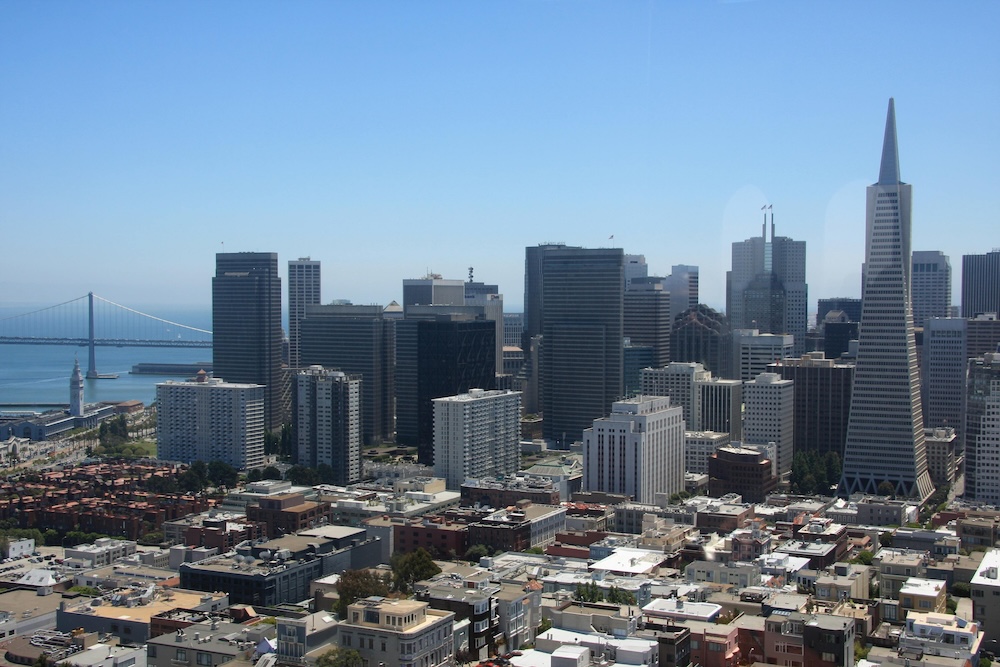
Few regions have shaped modern workplace culture like San Francisco. From snack-stocked kitchens and espresso bars to nap pods and kombucha on tap, Silicon Valley popularized the idea that the office could be more than a place to work; it could be a destination. What started as tech company perks quickly became a national standard for how organizations invest in their people.
But even as the Bay Area defined what an engaging workplace could look like, it was also the region hit hardest by the shift to remote work. When the pandemic emptied offices, many of those same companies that pioneered “the office experience” became the slowest to return to it. In 2025, that tension still defines the market: a city built on innovation, now reimagining how innovation happens in a hybrid world.
To unpack these challenges and explore new strategies, Crafty and Affirm brought together Bay Area workplace leaders for a networking event focused on the future of work. Backed by proprietary data, Crafty's insights reveal how companies in the area are leveraging their office pantry programs to rebuild in-office energy, strengthen culture, and turn the workplace into a space employees want to return to.
San Francisco Bay Workplace Recovery
The pandemic may have redefined flexibility, but in the Bay Area, hybrid work has matured into a permanent model. According to a recent survey, 63% of employees in the San Francisco area now work onsite one to four days a week, up from 44% in 2021. Only 11% remain fully remote.
For much of 2024, the Bay trailed behind other metros in return-to-office recovery. But by September 2025, the city turned a corner. Placer.ai data showed a 19% year-over-year increase in office visits, the sharpest gain of any major U.S. market that month.
This steady comeback reflects a new focus: designing workplaces that work as well for people as they do for performance.
What’s driving the shift
- Flight to quality: Companies are consolidating into fewer, higher-quality office spaces equipped with the amenities that make in-person time valuable. In 2024, the San Francisco area secured 11 of the largest U.S. office leases, signaling long-term confidence in the market.
- AI’s influence on talent: The Bay Area now accounts for 13% of all US AI-related job postings and is home to more than 800 AI startups. Every industry, from fintech to bioscience, is now competing for the same engineers and analysts. As a result, the new race is to build workplaces that attract and retain top technical talent.
- Hybrid as culture, not compromise: From anchor days for collaboration to data-informed pantry planning, the most successful companies are creating environments that make employees feel both supported and connected. “We’re no longer just talking about return to office," says Robin Cardoso, VP of Client Experience at Crafty. "It’s about return on experience.”
That’s where the pantry comes in. An everyday touchpoint that fuels culture, fosters connection, and makes the office feel like a place worth showing up for. Let's dive into how workplaces are leveraging it to fuel attendance and compete for top talent.
How Headcount Shapes Spend
When we look at pantry spend across the Bay Area, it’s not just about how much companies are spending; it’s about what that spend represents. Office size, attendance policies, and company role all shape the numbers in different ways. A 50-person office that comes in twice a week isn’t the same as a 500-person headquarters with full-time teams onsite and clients visiting daily.
Each of these variables influences how pantry programs are built and how dollars are allocated, but one thing is clear: as headcount rises, pantry spend rises sharply because the investment has become a core pillar of keeping people happy, productive, and connected in the office.
Monthly Avg. Pantry Spend by Headcount
- 0–49: $5,216
- 50–99: $9,487
- 100–249: $23,882
- 250–499: $30,572
- 500–999: $36,830
- 1,000+: $55,013
Two factors stand out in the San Francisco data:
- 29% of Crafty-powered pantries in the Bay Area are company headquarters, and these offices spend 36% more than the regional average. With more employees, visitors, and events, HQs act as cultural and operational hubs that showcase company values in action.
- Financial and fintech companies account for another 29% of Crafty-powered Bay Area pantries and invest 209% more than the average office. With stricter in-office requirements and a renewed focus on collaboration, this sector continues to lead workplace reinvestment across the region.
Let’s take a closer look at how that investment plays out across industries.
Industry Pantry Benchmarks
Pantry spend has always been a reliable indicator of workplace intent. In San Francisco, it’s revealing where companies are doubling down to rebuild culture, retain talent, and compete in an AI-driven economy.
Crafty’s data shows that industries investing most aggressively in technology and innovation are also investing most in the workplace experience that supports it.
Who’s Leading the Investment:
- Fintech | $56,345/month/pantry
Fintech firms are leading the pack, spending more than double the Bay Area average. As Forbes reports, tech workers are increasingly moving into financial services as banks expand AI capabilities and hire engineers and data scientists. To compete, fintech companies are using their pantry programs to fuel long workdays, support collaboration, and create the kind of high-energy, tech-driven environment top talent is drawn to. - Financial Services | $22,460/month/pantry
Traditional finance has reestablished its in-office rhythm with structured hybrid models and strong attendance. Pantry programs reflect that stability, focusing on premium coffee, balanced snacks, and consistent restocking that supports routine and reliability. - SaaS | $18,650/month/pantry
AI is shrinking entry-level roles and reshaping how firms hire, shifting focus toward smaller, more specialized teams. With fewer people in the office but higher expectations for collaboration and output, these companies are using their pantry programs to keep teams energized, encourage spontaneous problem-solving, and make each in-office day feel purposeful and high-performing. - BioScience | $13,467/month/pantry
BioScience firms have reduced lab and office space per employee, making shared spaces more critical to daily operations. Unlike tech or professional services, these workplaces run on longer onsite hours and shift-based schedules, which require a practical approach. Pantries in this sector prioritize function over flair, focusing on fresh, high-protein options and grab-and-go items that keep scientists fueled. - Professional Services | $13,765/month/pantry
Driven by rapid automation, the professional services industry is operating with smaller, more senior teams as tasks once handled by junior staff are now streamlined through AI. With leaner teams spending fewer days together, pantries have taken on new importance as gathering points that spark collaboration, mentorship, and a stronger sense of connection across hybrid schedules. - Real Estate | $6,467/month/pantry
With more field-based work, real estate companies maintain streamlined programs centered on coffee and grab-and-go options that keep pace with a mobile workforce.
The industries driving San Francisco's next chapter are those merging technological transformation with human-centered investment.
- Companies competing for AI talent are prioritizing experience as a differentiator
- Hybrid work has blurred the line between perk and performance tool
- The modern pantry has become part of the infrastructure that sustains innovation
In 2025, the most forward-thinking Bay Area workplaces are building smarter environments for people who create them.
Category & Product Insights
San Francisco pantry programs are evolving fast, and the mix of what employees actually consume shows just how much workplace culture has shifted. Coffee, once the defining feature of every office, is taking up less share of the pantry as teams diversify what fuels their day. Snacks, beverages, and especially perishables have become the new essentials; flexible options that support a wider range of routines, diets, and schedules.

Category Breakdown
- Snacks: 36%
- Beverages: 27%
- Perishables: 17%
- Coffee: 13%
- Supplies: 6%
- Alcohol: 1%
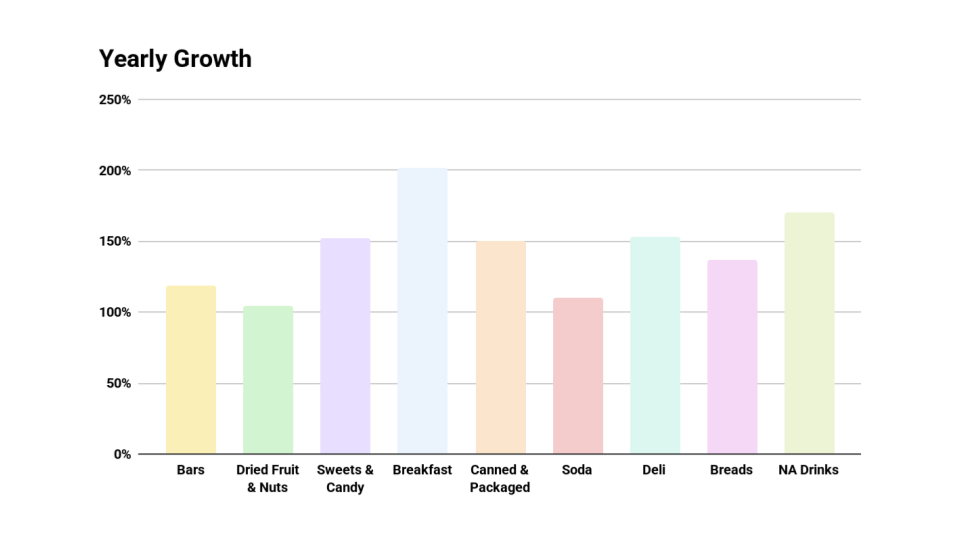
Within those categories, a few trends stand out:
- Bars (9%) lead all subcategories as the go-to for sustained energy, driven by the Bay Area’s focus on health, convenience, and protein-rich choices that align with broader wellness trends and GLP-1 lifestyles.
- Chips & Crackers (6%) remain a steady pantry classic, offering easy variety and dependable options for teams of all sizes.
- Still & Sparkling Water (6%) and Sodas (6%) show how hydration is diversifying, with many employees reaching for sparkling water or zero-sugar sodas as their treat.
- Cold Brew & Iced Coffee (5%) continue to grow, reflecting the shift toward on-demand, ready-to-drink convenience that fits hybrid schedules and warmer weather.
- Produce (5%) marks the rise of fresh, functional fuel, from grab-and-go fruit to small bites that balance the snack-heavy mix.
Protein is the driving force behind the expansion of bars, breakfast, nuts, and deli. As GLP-1s and other wellness-focused choices continue to reshape eating habits, protein-rich options are becoming essential to the workday. Employees want snacks and meals that sustain focus and align with their health goals.
That said, balance still matters, and the workers of San Francisco haven’t lost their sweet side. In a market known for health consciousness, indulgence is intentional. The top candy isn’t candy at all but Donsuemor’s Traditional Madeleines, a local favorite that offers comfort without compromise. And indulgence isn’t limited to sweets. For many, it’s the emergency Diet Coke or Coke Zero, a small ritual that replaces the afternoon beer or signals a mental reset in a busy day.
Fresh options are becoming a defining feature, too. The rise of deli and bread categories shows how employees are turning the pantry into a “girl dinner” station where people mix and match light, simple meals from items like hard-boiled eggs, cheese sticks, yogurt, and bread with spreads. It’s a flexible food ecosystem designed for the rhythm of the workday.
Trends to Watch
Crafty data reveals four major trends shaping the modern workplace pantry in the Bay Area. Each of these shows how the city's office culture is redefining what it means to eat, drink, and recharge at work.
- Fueling Snacks: Bars, nuts, dairy, and breakfast items are gaining traction as teams prioritize protein, fiber, and sustained energy throughout the day. In San Francisco, Think! Bars, Barebells, and Fage Greek Yogurt lead the pack, which is a clear sign that employees are reaching for options that fuel focus rather than quick fixes.
- Functional Sips: Clean-label energy drinks, hydration mixes, and electrolyte beverages are replacing traditional sodas, supporting focus and performance over sugar and caffeine spikes. San Francisco drink favorites like Spindrift Lemon and Olipop reflect this shift toward beverages that hydrate and restore, while still delivering a sense of enjoyment.
- Fresh Finds: Deli items, fruit, and breads are climbing fast as employees treat the pantry as a source of convenient, wellness-forward meals. Staples like Olli Prosciutto & Mozzarella Snack Packs, Wholly Guacamole, and fresh produce highlight how the office pantry needs to deliver more than just a quick bite.
- Fun Treats: As budgets tighten, small indulgences matter more than ever. Cookies and premium candies bring comfort and delight to the workday, offering a sense of reward that fuels morale. In the Bay, Donsuemor’s Traditional Madeleines top the list, a local indulgence that perfectly captures the balance between comfort and craftsmanship.
Conclusion
The Bay Area is once again defining what the next era of work looks like, not through ping pong tables or endless cold brew, but through intentional investment in how people connect, collaborate, and recharge. The data tells a clear story: as companies navigate hybrid schedules, tighter budgets, and shifting employee expectations, the workplace is being rebuilt from the inside out.
The pantry has emerged as one of the most telling indicators of that shift. It is no longer just a perk; it is infrastructure. A well-run program fuels attendance, supports wellness, and reinforces culture in ways that Slack channels and video calls cannot. From fintech firms using their pantries to energize fast-paced teams, to bioscience companies designing for longer onsite hours, to professional services firms rebuilding connection across leaner teams, the modern workplace is being re-centered around human needs.
San Francisco’s innovation story has always started with people who think differently. Today, that spirit lives on in the way workplaces are being redesigned, balancing performance and care, function and delight. The future of work in the Bay is not about going back to what was, but about building what comes next: workplaces that work better for the people inside them.
Related Resource

Blog
Best California Snack and Coffee Brands to Stock in Your Office Pantry
September 10, 2026
Blog
Office Equipment Guide: Drip Coffee Machines for the Office
September 10, 2026
Blog
Celebrate Halloween at Work: Breakroom Snacks, Activities, Decor, & More
September 9, 2026
Blog
October Holidays for Work: Breakroom Snack Celebrations
September 9, 2026

Blog
Best Chicago Snack and Coffee Brands to Stock in Your Office Pantry
September 2, 2026
Blog
Office Snack Scoop Episode 1 Takeaways: Fiber, Flavormaxxing, and the Beverage Boom
September 1, 2026
Blog
Hispanic Heritage Month at Work: Office Snack Ideas & LatinX-Owned Brands to Try
September 1, 2026

Blog
Fall Office Breakroom Ideas: Trends, Flavors, and Easy Swaps
August 26, 2026
News
Crafty Unveils 2026 Summer Platform Release to Give Workplace Teams More Context, Control, and Convenience
August 21, 2026