min read
September 11, 2025
The Goldilocks Standard: Automation That Gets Office Pantry Inventory Just Right
How the right controls stop overages and shortages before they impact your breakroom.

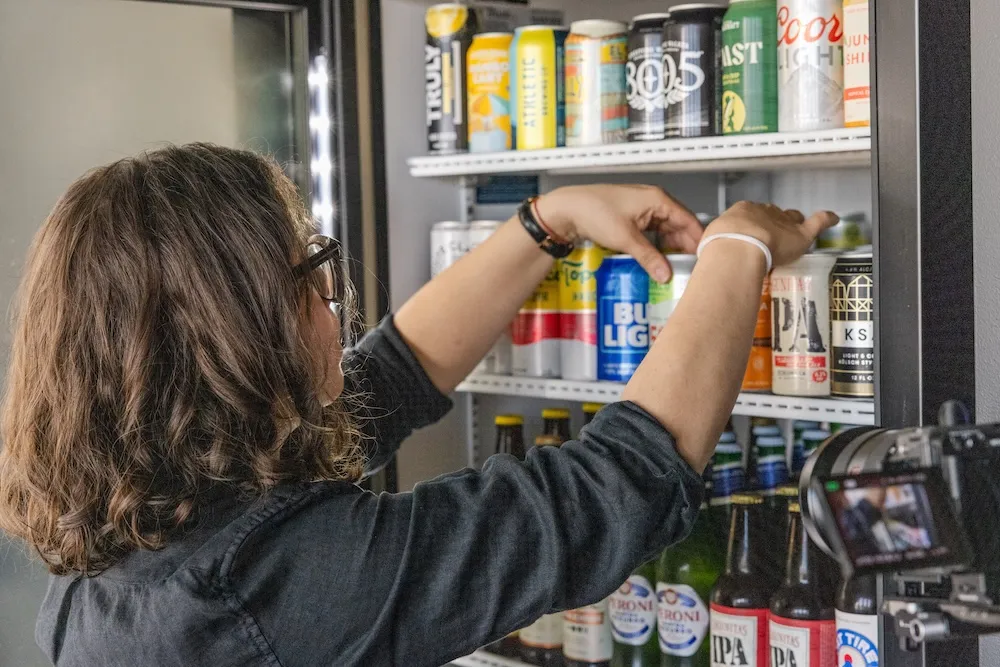
Who would’ve thought a classic childhood story would hold the secret to smart inventory management?
The Goldilocks principle, or aiming for "just right" inventory level, is exactly the approach modern workplace teams need when managing office food and beverage programs across multiple offices. Too much leads to waste. Too little creates frustration. Just right? That takes precision.
In the Pantry Optimization Playbook, we break down how to achieve that balance through automation. The goal of automation is not to remove people, but to empower them. When teams aren’t bogged down chasing discrepancies or reacting to shortages, they can operate proactively, decisively, and at scale.
Why Guesswork Creates Silent Waste
Let’s say you’re managing 15 offices with multiple deliveries per week. Your team orders coffee, snacks, and beverages based on what they believe each location needs; it may be what was ordered last time, or it may be based on a Slack message from someone onsite.
At first, it seems fine. You don’t hear complaints. The shelves look full. But quietly, waste begins to build. Some products get reordered too quickly, and now you have too much that could expire. Others run out too fast and have to be rushed in at higher prices later. And who will be placing the next order? They’re wasting time just trying to keep up with the ebbs and flows of your pantry, while other priorities sit by the wayside.
This is the kind of waste that flies under the radar until you zoom out. No one is flagging it, but that doesn't mean it's not a problem. This waste accumulates in the background, draining your pantry budget and operational bandwidth. Most workplace teams don’t realize how much waste is happening until they manually input all the invoices into a spreadsheet…and at that point, it's too late to do anything about it.
When waste becomes routine, so does its environmental cost. Even when you respond to waste responsibly, whether that's through recycling, composting, or donation, it still takes a toll. Reacting after the fact doesn’t change the fact that resources were overproduced, overordered, and ultimately underutilized. If your organization is serious about sustainability, the work starts earlier. It means designing systems that prevent waste in the first place, not just managing it after it happens. That’s how you turn values into practice.
How Automation Builds a Sustainable System
When teams talk about waste, they’re often looking at what ends up in the trash, but the real opportunity lies upstream. Waste doesn’t start at the landfill or the invoice. It starts with the assumptions behind every order.
Automation, done right, removes those assumptions. It replaces gut feel with data-backed logic and gives your program the structure to run reliably without constant oversight. That’s what allows you to manage complexity across offices, vendors, and order cycles, without dropping the ball.

Here’s what that looks like:
- Inventory floors that reflect actual demand: No more guesswork based on what's missing from the fridge or shelves. Set smart minimums for each product based on real consumption.
- Experts who push inventory details into a centralized system:Onsite teams feed inventory data into a central platform so there’s no disconnect between your orders and your actual pantry.
- Automatic triggers for low inventory products:When products dip below their threshold, they automatically are on your next order.
You don’t build accountability by asking people to do more. You build it by designing systems that make better decisions the default. That’s how you prevent pantry waste at the source and free your team to focus on higher-value work.
Lessons from the Breakroom: Ferrara
Ferrara is one of our OG partners. We’ve worked together through multiple phases of growth, and every step of the way, their feedback has helped shape the way we build. For me, challenges in the workplace are exactly what we set out to solve with technology.
Ferrara’s team was juggling a complex, high-visibility workplace program with limited time and tons of competing priorities. When deliveries missed the mark or inventory was off, it wasn’t just a hiccup; it pulled their team into reactive mode at the worst possible time. That kind of firefighting is exactly what we design against.
By building technology that gives teams visibility into their inventory, consumption, and operational accuracy, Ferrara was able to get ahead of issues and regain control. They’re not wasting time double-checking or guessing. The data tells them exactly what’s needed, and the system flags anything that’s off.
"It’s a breath of fresh air not to have to problem solve on the fly when I’m doing eighty-five other things.”
Amanda Loudermilk, Sr. Manager of Corporate Real Estate, Ferrara
That trust is what every workplace team deserves. And for me, it’s proof that the right controls don't just prevent wasted product, dollars, and time, but they create freedom for our clients to do what they do best!
Conclusion
Inventory control isn’t about ordering less; it’s about ordering right.
To build a pantry program that performs, you need more than good instincts. You need systems that support precision and speed. Here’s where to start:
- Identify where assumptions are leading your inventory decisions
- Build automation into your restock and reorder process
- Use real-time data to make small adjustments before small issues become big ones
Just-right inventory doesn’t happen by accident. But with automation and the right playbook in place, it doesn’t have to be hard either. We lay it all out in the Pantry Optimization Playbook—real strategies and a clear path to building a more efficient, better-run office breakroom.
Related Resource

Blog
Office Pantry Services in Texas: How Crafty Is Growing Across Dallas, Austin & Houston
October 15, 2026

Blog
What Makes Fruit “Office-Ready”? From Farm Selection to Delivery Standards
October 15, 2026
Blog
The Procurement Guide to Evaluating Office Pantry Providers
October 14, 2026

Blog
Equipment Guide: Sparkling Water Machines for the Office
October 14, 2026

Blog
Best Organic Office Snacks: What to Stock and How to Read the Labels
October 13, 2026

Blog
Data Bites: Office Pantry Spend Per Employee by Industry in 2026
October 13, 2026

Blog
Inside Office Digest: How Crafty Measures Office Pantry Program Performance
October 12, 2026
Blog
Equipment Guide: Cold Water Machines for the Office
October 8, 2026

Blog
How to Reduce Office Pantry Costs with 7 Optimization Tips
October 8, 2026
Blog
November Holidays for Work: Snack Celebrations for Your Breakroom
October 8, 2026