min read
January 16, 2026
How to Maintain an Office Snack Station Without Burning Out Your Team
Simple systems that keep snacks stocked without adding work to your plate.
.webp)
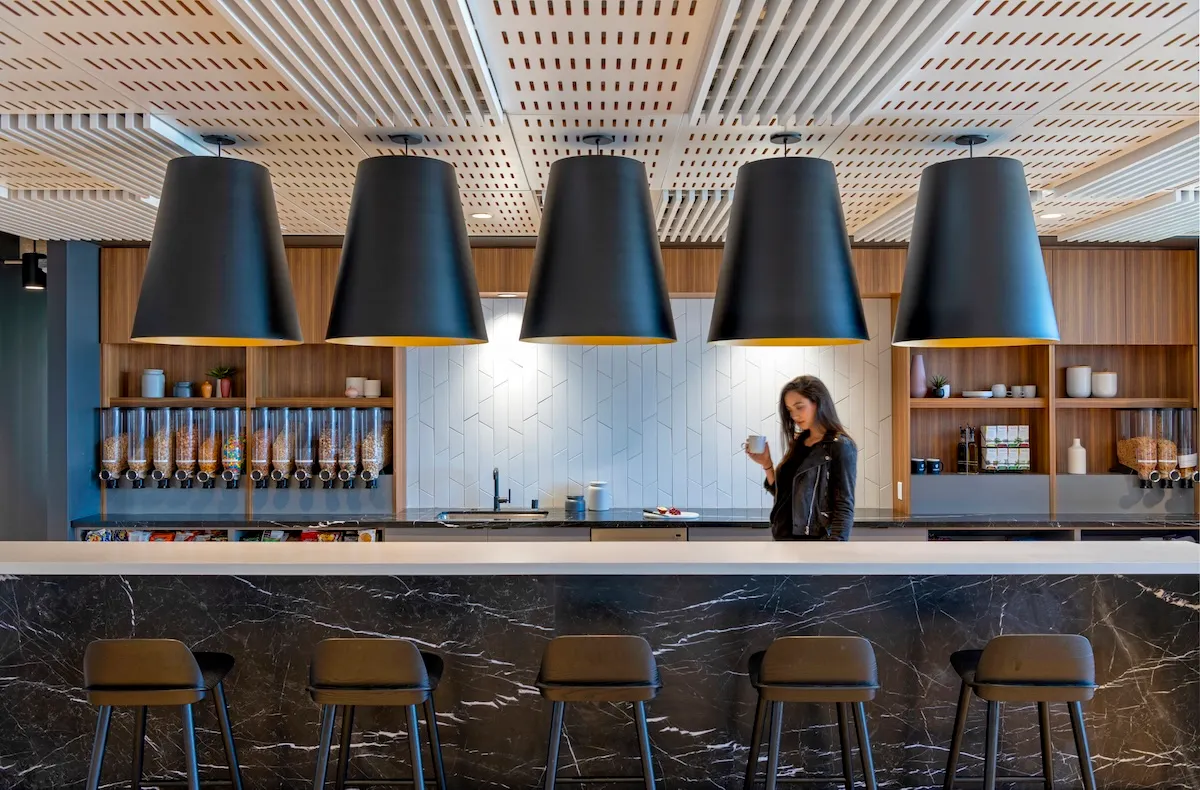
Launching an office snack station is the easy part. The real challenge is keeping it stocked, relevant, and running smoothly month after month without quietly draining your workplace team’s time and energy.
We’ve seen it happen time and again. What starts as a thoughtful perk slowly turns into a reactive task list: emergency restocks, unused snacks piling up, inboxes full of “Can we get better options?” Slack messages, and one unlucky person stuck owning it all. If that's you, we’re here to help you unclench your jaw.
A successful snack station is as much about what you offer as it is about how you manage it. Here’s how to maintain an office snack station that employees love and your team can realistically sustain.
Why Office Snack Stations Break Down After the First 90 Days
Most snack stations don’t fail because of bad intentions. They fail because the operational plan stops at launch.
Common breakdowns include:
- No clear ownership once the excitement fades
- Inconsistent restocking schedules
- Too many snack options, not enough insight
- Feedback collected once and never again
- Manual ordering that competes with higher-value work
Without structure, even the best snack station becomes another thing your team has to “just deal with.” Taking a more strategic approach to corporate wellness program planning can help management build systems that are easier to manage and scale over time.
Define Ownership Without Creating a Bottleneck
Every snack station needs accountability, but that doesn’t mean one person should do everything.
What works:
- A clearly defined “snack owner” who oversees the program
- Input from employees through lightweight feedback loops
- Shared pantry visibility into inventory and spend
What doesn’t:
- One person making every decision in a vacuum
- Snack management living on a personal to-do list
- Ownership without authority or tools
The goal is clarity. Save heroics for the boardroom.
Build a Sustainable Restocking Rhythm
The truth is that pantry consistency matters more than frequency.
A snack station that’s reliably stocked, even if it’s simple, builds more trust than one that’s unpredictable but flashy. Just think, how much better is it to know your emotional support snacks will always be more impressive in the office than a candy buffet that comes in with a bang, only to never be seen again.
When planning your restocking cadence, consider:
- Average daily attendance (especially for hybrid teams)
- Consumption patterns by snack category
- Storage capacity and spoilage risk
A predictable rhythm helps you avoid both empty shelves and overstocked back rooms.
Keep Snacks Relevant Without Overcomplicating
More options don’t automatically mean a better experience.
Over time, too much variety can actually:
- Increase waste
- Slow down decisions
- Make restocking harder
- Dilute what employees actually want
High-performing snack stations focus on:
- Core favorites employees reach for daily
- Rotating a small percentage of items seasonally
- Adjusting based on real consumption, not assumptions
If you’re guessing what to keep or cut, that’s a sign you need better insight. Sorry to break it to you, but that’s not a problem snacks can solve alone.
Use Tools That Reduce Manual Work
Snack station maintenance shouldn’t require spreadsheets, receipts, and constant follow-ups.
The most sustainable programs rely on:
- Inventory visibility across locations
- Reorder thresholds instead of reactive ordering
- Consolidated vendors and reporting
- Clear budget tracking
When systems do the heavy lifting, your team gets time back to focus on the experience.
Know When It’s Time to Bring in a Partner
DIY works until it doesn’t. Here are signs your snack station has outgrown manual management:
- Multiple offices or fluctuating headcounts
- Frequent budget questions from finance
- Office teams spending hours each week on food logistics
- Inconsistent experiences across locations
A partner can help standardize pantry execution, reduce waste, and extend your team’s bandwidth without sacrificing quality.
Conclusion
Maintaining an office snack station shouldn’t feel like a second job.
With clear ownership, predictable systems, and the right level of support, your snack station becomes what it was always meant to be: a reliable, high-impact part of your workplace experience. Because the only time burnout belongs on vacation, not the office pantry.
Related Resource

Blog
Office Pantry Services in Texas: How Crafty Is Growing Across Dallas, Austin & Houston
October 15, 2026

Blog
What Makes Fruit “Office-Ready”? From Farm Selection to Delivery Standards
October 15, 2026
Blog
The Procurement Guide to Evaluating Office Pantry Providers
October 14, 2026

Blog
Equipment Guide: Sparkling Water Machines for the Office
October 14, 2026

Blog
Best Organic Office Snacks: What to Stock and How to Read the Labels
October 13, 2026

Blog
Data Bites: Office Pantry Spend Per Employee by Industry in 2026
October 13, 2026
Blog
Inside Office Digest: How Crafty Measures Office Pantry Program Performance
October 12, 2026
Blog
Equipment Guide: Cold Water Machines for the Office
October 8, 2026
Blog
How to Reduce Office Pantry Costs with 7 Optimization Tips
October 8, 2026
Blog
November Holidays for Work: Snack Celebrations for Your Breakroom
October 8, 2026