min read
June 18, 2026
The Insider's Guide to Choosing an Office Snack Service Provider [2026]
Understanding the systems, services, and operational models behind today's workplace snack programs and why visibility matters more than ever.

![The Insider's Guide to Choosing an Office Snack Service Provider [2026]](https://cdn.prod.website-files.com/68ef636bea7f569ab00567aa/6a342b8728e57bbb0e58bd25_Biotech%20Company%27s%20Snack%20Wall%20in%20San%20Francisco.webp)
For years, workplace snack programs have been managed largely on feel.
If shelves looked empty, they were restocked. If employees requested something new, it got added to the order. If something wasn't working, teams usually didn't realize it until it was way too late to do anything about it. And for a long time, that was enough.
But as companies face increasing pressure to operate more efficiently and do more with fewer resources, every workplace program is expected to perform. Leaders need visibility into what's working, what's not, and where opportunities exist to optimize.
The challenge is that most snack providers were built to deliver products, not provide insights or hospitality.
They can send an invoice. They can deliver the snacks. Some will even put them on the shelf. But they aren't helping you understand what your employees actually want, identifying opportunities to reduce waste, optimizing your spend, and they certainly aren't bringing the level of hospitality, service, and proactive support needed to drive office traffic.
Today, workplace snack programs require more than just dropping off products. They require visibility, expertise, and systems that help companies continuously improve performance, create better employee experiences, and confidently justify the investment.
In this guide, we'll break down the most common ways companies source snacks, how each approach operates, and what leaders should consider before choosing the provider for their workplace.
Purpose-Built Workplace Snack Providers
Office Snack Service Providers: Crafty
Corporate snack programs generate thousands of decisions every year, and most providers leave workplace teams to figure them out on their own.
Purpose-built workplace snack providers, like Crafty, take a different approach. Because they're built specifically for the workplace, the service model, technology, and operational systems are designed around the challenges workplace teams face every day.
That means workplace leaders aren't left relying on assumptions or reacting to problems after they've already happened. Instead, they gain visibility into consumption trends, inventory management, spending patterns, product performance, and opportunities to improve the program quickly to make the most of every dollar and hour spent.
That data-driven approach allows workplaces to:
- Understand what employees actually consume and prefer
- Reduce waste and overspending through smarter inventory planning
- Identify optimization opportunities by quickly changing assortments
- Scale snack programs with consistency with centralized visibility across locations
- Reduce the time workplace teams spend managing the office snack program to make room for other priorities
Combined with proactive service and hospitality, workplace teams gain confidence that the program is delivering value. Employees see a snack experience that consistently reflects their needs, while leadership gains visibility into how resources are being utilized and optimized over time.
Legacy Food Service Providers
Food Service Providers: Aramark, Sodexo (including inReach), and Compass Group (including Canteen)
Large food service providers were built to operate food at scale. Their businesses span everything from cafeterias and vending operations to healthcare facilities, universities, stadiums, and correctional institutions.
Office snack programs may be part of the offering, but they're far from the priority.
Leaders trying to drive office attendance and employee satisfaction have very different goals than someone managing food service for a stadium or correctional facility.
So having a provider that claims to be a master of all results in:
- Slower adaptation to changing workplace needs
- Little to no proactive optimization and strategic guidance
- Generic assortments disconnected from workplace-specific needs
- Lack of innovation and visibility into your program
Today's workplace leaders need a partner that can identify opportunities, uncover trends, optimize performance, and help create better employee experiences over time. That requires a deep understanding of workplace behavior, consumer preferences, employee culture, and the operational realities of high-performing companies.
Employees increasingly expect experiences tailored to their needs. Leadership increasingly expects programs to demonstrate value, performance, and operational efficiency. Meeting both expectations requires a partner built around the realities of the modern workplace, with the technology, service, and expertise to identify opportunities, adapt quickly, and continuously improve the program over time.
Local Food Service Vendors
Local food service vendors often provide specialty products from the area and strong service, which is why many individual offices choose them. The challenge begins when organizations try to scale.
As companies expand across multiple locations, workplace teams often find themselves managing several separate snack vendors, different reporting methods, inconsistent service standards, and disconnected operational processes.
That fragmented approach can result in:
- Leaky spend that goes unnoticed under mass amounts of invoices
- Inconsistent or no standard reporting across locations
- Limited visibility into total program execution
- Difficulty identifying optimization opportunities at scale
- Increased administrative burden on workplace teams
The irony is that workplace leaders shouldn't have to choose between local service and operational consistency. The best programs find a way to combine both.
That's why snack providers like Crafty often partner with trusted local snack vendors to deliver the products and service employees love while providing the centralized technology, reporting, visibility, and operational oversight organizations need to manage the program effectively at scale.
That model doesn't just benefit workplace teams. It helps local partners deliver better service, too. With shared performance standards, visibility into program performance, and clear operational expectations, local vendors become part of a more consistent and accountable experience across every location.
Snack Box Providers
Employee Snack Box Companies: SnackNation, NatureBox, Caroo, etc.
Snack box providers were built for convenience. Their model became especially popular during the pandemic when employees were working remotely, and companies needed an easy way to send snacks directly to people's homes.
For distributed teams, that approach still makes a lot of sense. The challenge is that as employees return to the office, workplace leaders are trying to create an experience employees want to come back for, and a box of snacks isn't going to cut it.
Snack programs for workplaces require merchandising, inventory management, assortment optimization, and ongoing attention to ever-evolving employee preferences, areas that sit well outside the traditional snack box model.
As a result, workplace teams are often left managing challenges that snack box providers were never designed to solve:
- Minimal support and lack of expertise when stocking the shelves
- Little insight into budget optimization strategies
- Lack of visibility into employee preferences and consumption
As office snack service becomes more strategic, success depends on far more than the products themselves. It depends on how they're merchandised, how inventory is managed, how consumption is controlled, and how the program evolves to be smarter and more impactful.
Snack Vending Companies
Vending Companies: Byte Technology, Farmer's Fridge, Fresh Healthy Vending
Vending providers offer employees convenient access to snacks and beverages directly in the workplace. This model is designed to reduce the time employees spend leaving the office in search of something to eat or drink.
In a time when many employees are already feeling the impact of rising costs, asking them to pay for a bag of Goldfish or a bottle of sparkling water can change the way they view your employee appreciation.
Organizations that prioritize vending frequently encounter:
- Administrative burden of managing prepaid cards, allowances, and balances
- Reduced opportunities for employee interaction and workplace connection
- Limited visibility into how the program contributes to workplace goals
- Ongoing fees, shrinkage concerns, and operational complexity
The reality is that a successful snack service isn't measured by how many products it offers. It's measured by whether employees can easily access the products they need to stay energized, focused, and productive throughout the day.
With the right technology and optimization strategy, companies can build curated assortments that align with employee preferences, support different work styles, control spend, reduce waste, and create a better workplace experience without sacrificing budget discipline.
Employees benefit from a meaningful workplace perk instead of another purchase decision, while leadership gains confidence that resources are being invested intentionally and managed efficiently.
Micro Market Providers
Micro-Market Companies: Avanti Markets, 365 Retail Markets, InReach, Market24/7, etc.
Micro markets were originally designed to bring convenient food access to environments like airports, hospitals, manufacturing facilities, and large campuses where traditional food options may be limited. That convenience eventually made its way into the workplace.
When employees have to make purchasing decisions throughout the day, manage prepaid balances, wait in line during busy periods, or think twice before grabbing a snack, friction starts to replace convenience.
Organizations that rely heavily on micro markets often encounter:
- Ongoing operational costs regardless of utilization
- Lines and congestion during peak usage periods that slow down productivity
- Administrative burden of managing prepaid cards, allowances, and balances
The reality is that micro markets often work best as a complement to a snack program, not a replacement for one. A thoughtfully curated office snack station removes everyday friction, while a micro market can provide heartier breakfast and lunch meal options employees may want occasionally throughout the week.
A thoughtfully managed snack program handles the everyday moments, while a micro market fills the occasional gap. That balance creates a better employee experience, reduces operational complexity, and helps organizations get more value from both programs.
Consumer Marketplaces
Online Marketplaces: Amazon, Costco, Instacart, DoorDash, etc.
Online marketplaces were built to make ordering products fast and convenient for consumers. Their widespread adoption in consumers' personal lives eventually carried over into the workplace. For many offices, they're often the starting point for workplace snack programs.
Ordering is only the beginning. Now someone has to unpack, stock, merchandise, troubleshoot, manage, report, and optimize. In other words, the work doesn't disappear. It simply shifts to workplace teams.
Organizations that rely heavily on consumer marketplaces often experience:
- Fragmented spending spread across receipts, orders, and locations
- Inconsistent experiences across offices due to vibe-based ordering
- Reactive purchasing decisions based on assumptions rather than data
- Significant internal time spent managing logistics and replenishment
- Limited opportunities for optimization and strategic improvement
Product prices may look cheaper on the surface, but the total cost of managing a workplace snack program often tells a different story. Expired products, fragmented spending, messy invoice reconciliation, and hours spent by workplace teams managing logistics can quickly erase any perceived savings.
As snack programs grow, workplace leaders increasingly need technology, service, and operational support that help them manage the program. Without visibility into spending, consumption, and performance, opportunities to improve efficiency often go unnoticed, leaving workplace teams to pick up the pieces long after the delivery driver leaves.
Catering Companies
Catering Providers: Fooda, ezCater, ZeroCater, HUNGRY (Powered by Garten)
Catering providers specialize in scheduled meal delivery, helping organizations coordinate meals for employees. Whether it's a team lunch, company event, breakfast meeting, or all-hands gathering, their expertise centers on coordinating and delivering food for a scheduled point in time.
A catered lunch is a scheduled event. An office snack program is a living system that requires constant inventory management, assortment planning, replenishment, optimization, and adaptation to changing employee preferences.
While many catering providers claim to offer snacks too, the operational expertise that makes a great catering program doesn't automatically translate into a great snack program.
Organizations that try to bundle both often encounter:
- Reactive replenishment strategies that result in overspend
- Assortments that struggle to evolve alongside employee preferences
- Limited visibility into performance, consumption, and trends to improve
- Increased reliance on workplace teams to manage the program day to day
Combining catering and snacks under one vendor may simplify procurement, but it doesn't necessarily simplify execution. Workplace snack programs require dedicated systems, technology, and operational expertise designed specifically for managing inventory, controlling spend, and continuously improving performance over time.
How Should Companies Choose a Snack Service Provider?
By now, one thing should be clear: getting snacks into the office is the easy part. The real question is who will manage everything that happens after the snacks arrive.
The best snack providers know how to execute the program specifically for the workplace. They bring the technology, operational expertise, and workplace knowledge needed to continuously improve performance over time.
When evaluating providers, workplace leaders should focus on three questions:
- Will we have visibility into what's happening and where opportunities exist to improve?
- Who is responsible for executing and managing the program day to day?
- Does this provider truly understand the workplace, or are workplace snacks simply an extension of another business?
The right office snack provider ensures every dollar, every product, and every decision contributes to a better workplace experience.
Conclusion
Workplace snack programs have become too important to run on assumptions. The organizations seeing the greatest impact are partnering with providers that bring the visibility, expertise, and execution needed to make every decision count.
Related Resource
Blog
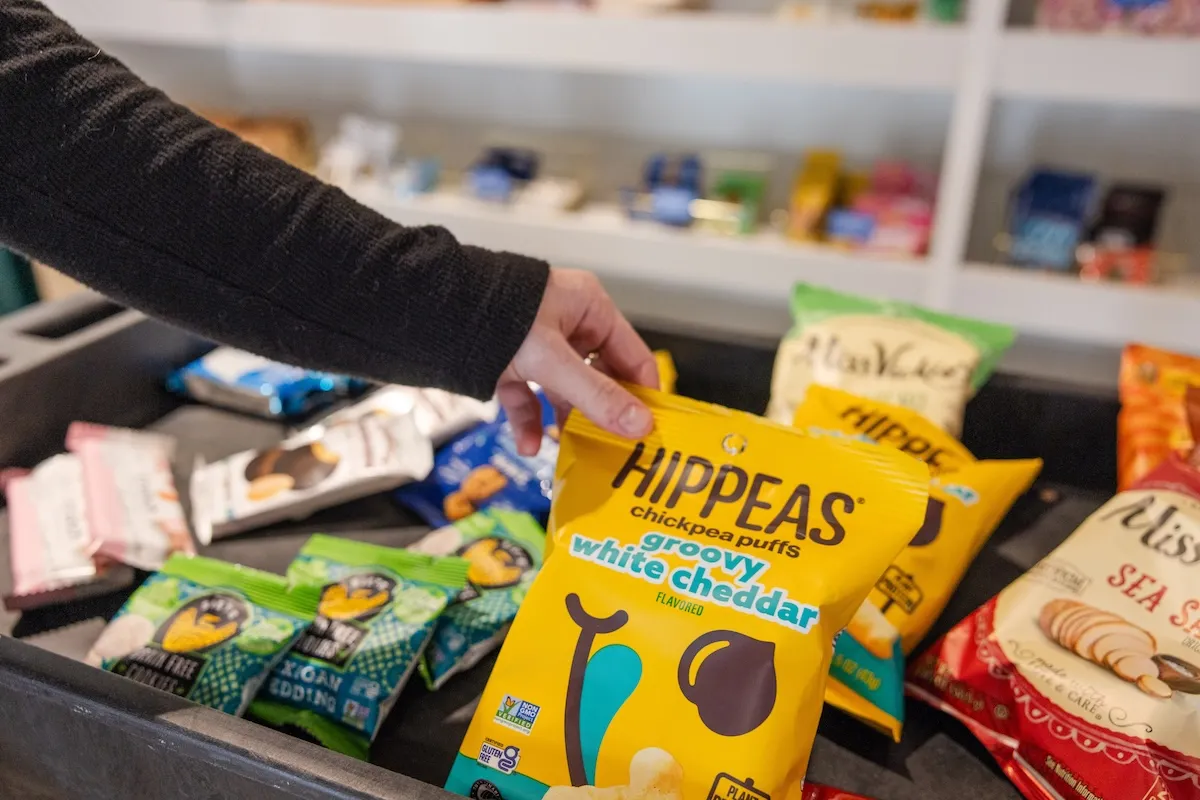
Best Halal Office Snacks for Your Pantry
September 16, 2026

Blog
Snacky Hour Episode 1 Recap: Mezcla, LatinX-Owned Protein Bars
September 15, 2026
Blog
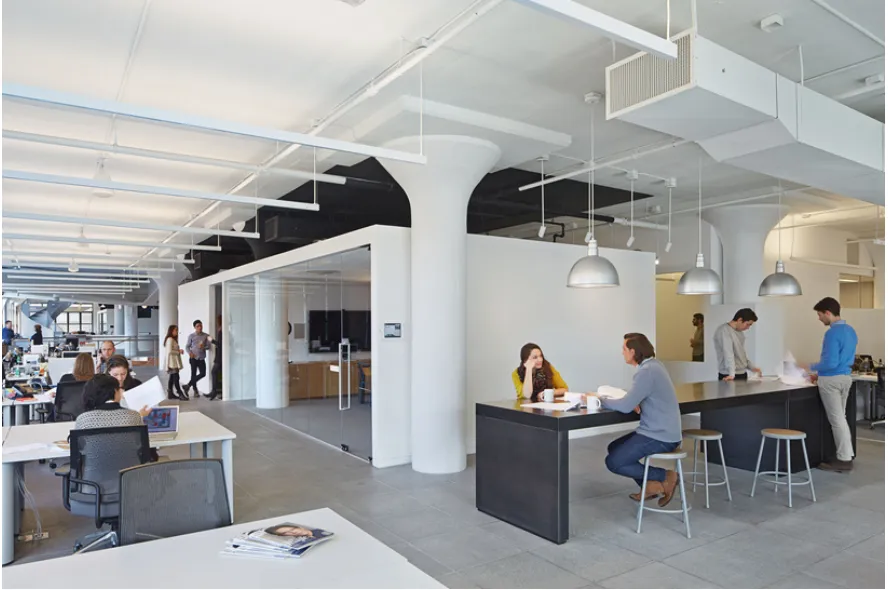
Data Bites: Which Companies Are Spend Most on Office Pantry Programs in Q2 2026?
September 15, 2026

Blog
Best California Snack and Coffee Brands to Stock in Your Office Pantry
September 10, 2026
Blog
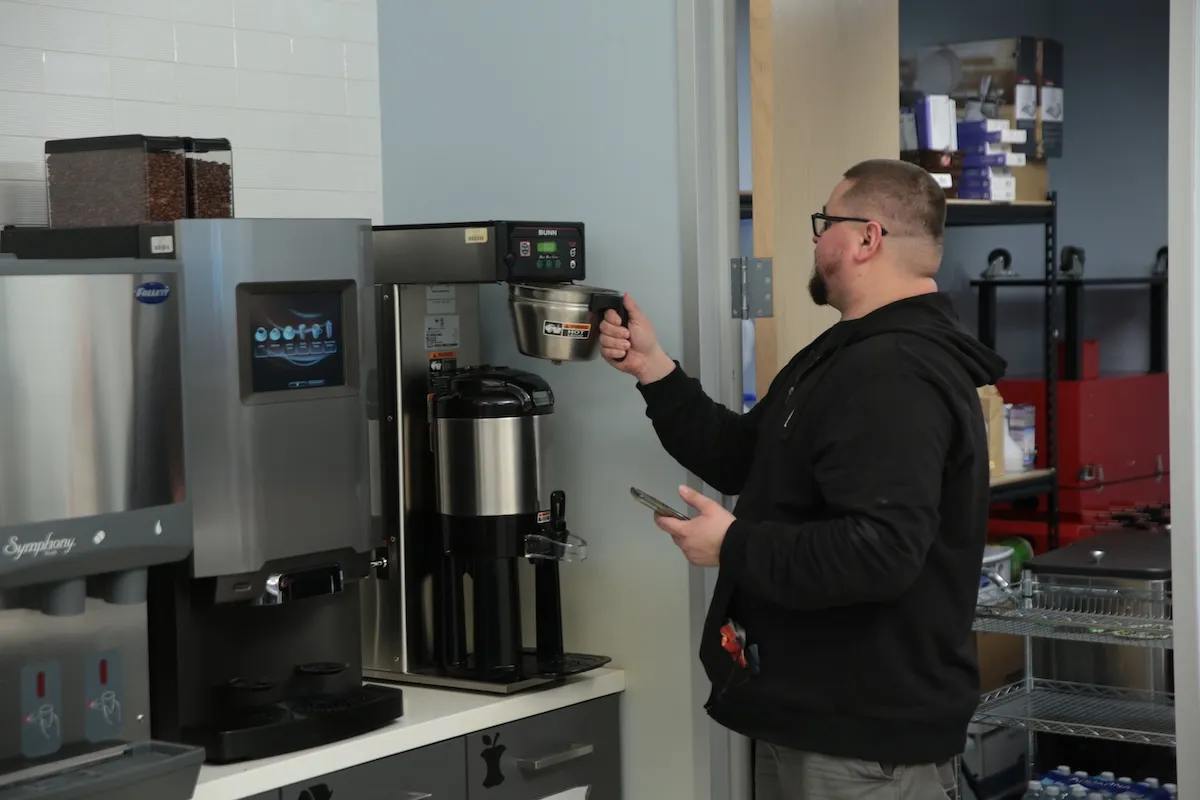
Office Equipment Guide: Drip Coffee Machines for the Office
September 10, 2026

Blog
Celebrate Halloween at Work: Breakroom Snacks, Activities, Decor, & More
September 9, 2026
Blog
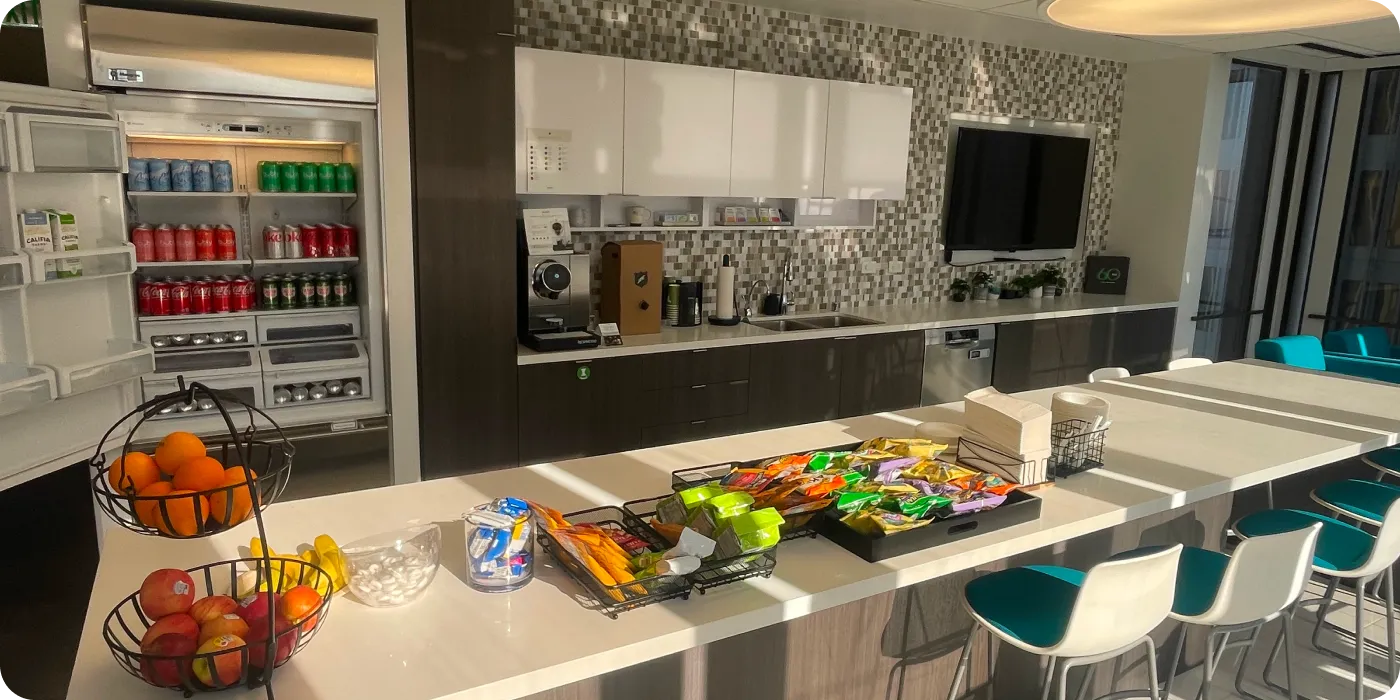
October Holidays for Work: Breakroom Snack Celebrations
September 9, 2026

Blog
Best Chicago Snack and Coffee Brands to Stock in Your Office Pantry
September 2, 2026

Blog
Office Snack Scoop Episode 1 Takeaways: Fiber, Flavormaxxing, and the Beverage Boom
September 1, 2026