min read
March 30, 2026
Mindful Indulgence at the Office
Why modern offices are rethinking indulgence to support energy, focus, and balance
.webp)
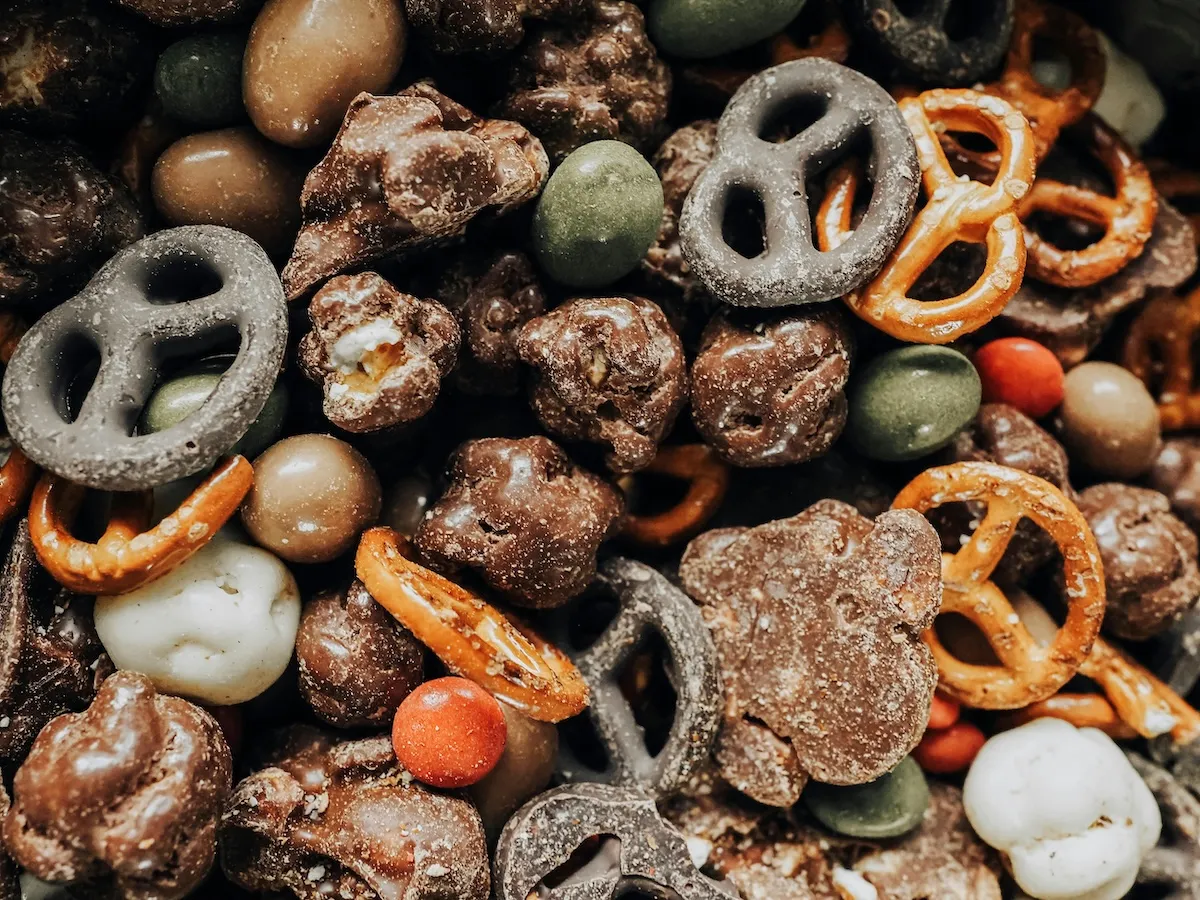
Indulgence has always had a place at work. What’s changing is how employees want that indulgence to fit into their day.
Across modern offices, people are paying closer attention to how snacks make them feel after they eat them, not just in the moment, but an hour later. As a result, many employees are gravitating toward mindful office snacks that satisfy without disrupting focus, energy, or momentum for the rest of the workday.
This shift reflects a broader change in workplace expectations that prioritizes experience, balance, and how well it supports the way people actually work.
How Employees Are Rethinking Indulgence at Work
Snacking has always served multiple purposes at work. It can satisfy hunger, offer a mental reset, or provide a small reward during a busy day. Research consistently shows that people snack to treat themselves and enjoy flavor, not simply to eat “better.”
What’s changed is tolerance for the aftermath. Sugar-heavy treats that lead to sharp energy swings are increasingly falling out of favor, especially as workdays grow longer and more meeting-heavy. Employees want indulgent options that feel enjoyable without introducing friction into the afternoon.
That preference is shaping workplace snack trends, with more emphasis on treats that feel composed, intentional, and worth choosing.
What Mindful Office Snacks Actually Look Like
In office snack stations, mindful indulgence shows up in small but meaningful ways. Portions feel intentional. Flavors are satisfying without requiring excess. Ingredients are chosen to support steadier energy rather than quick spikes.
Global snacking research shows that most consumers snack to savor flavor, texture, and sensory experience, and many report appreciating snacks more when they slow down and eat with intention. Portion awareness plays a role here as well, helping treats feel enjoyable rather than overwhelming
In the office pantry, mindful snacks often show up as:
- Mini version of classic treats that feel satisfying without excess
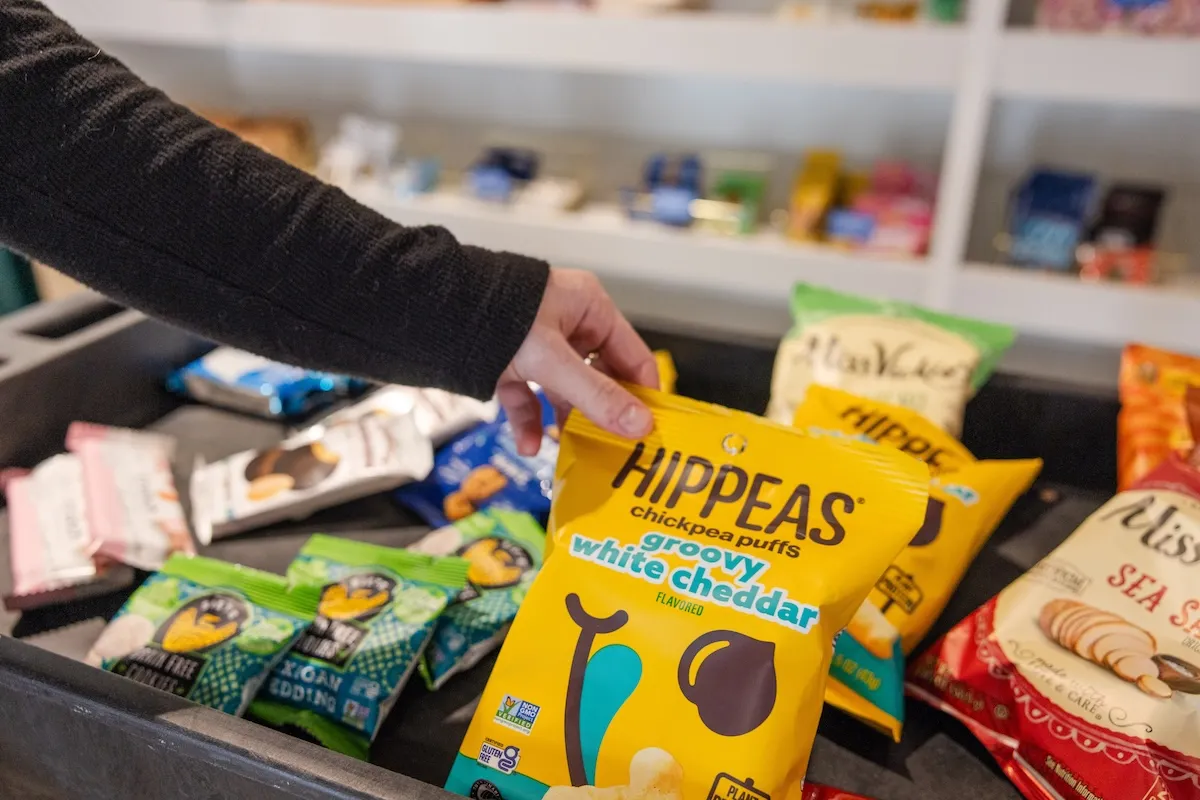
- Pantry options that have natural sweetness, such as fruit, dried fruit, nuts, etc.
- Low-sugar alternative to your favorite drinks, such as tea-based energy drinks, probiotic sodas, and more
Don’t think of them as “better-for-you” in a moral sense. They’re better because people feel good after eating them.
Why Sugar Crashes Undermine the Workday
Over time, sugar-heavy snacks can introduce unnecessary volatility into the workday. The initial boost they provide is often followed by a noticeable dip in energy, focus, or patience, especially during long afternoons.
While consumers don’t necessarily choose indulgent snacks based on sugar reduction alone, they do respond to balance. Many prefer indulgent options that are thoughtfully formulated rather than extremes on either end of the “healthy” or “treat” spectrum
That insight helps explain why offices are shifting toward indulgent snacks that feel more stable and supportive of sustained work.
How Mindful Indulgence Fits into a Modern Office Pantry
Mindful indulgence works best as part of a broader, balanced pantry strategy.
When indulgent treats are stocked alongside functional snacks that support sustained energy and focus, employees can choose what fits their needs at the moment. Together, these options create a modern office pantry that supports productivity, satisfaction, and autonomy, without judgment.
This balance allows indulgence to coexist naturally with performance.
Looking Ahead
Employees want treats that feel worth choosing and don’t come with trade-offs later in the day. When offices respond to that reality, indulgence becomes part of the everyday workplace experience rather than a disruption to it. Many of these ideas, along with practical ways to apply them, are explored further in Snack Hacks Volume 2.
Related Resource
Blog
Equipment Guide: Pod Coffee Machines for the Office
September 23, 2026
Blog
Best Halal Office Snacks for Your Pantry
September 16, 2026
Blog
Snacky Hour Episode 1 Recap: Mezcla, LatinX-Owned Protein Bars
September 15, 2026
Blog
Data Bites: Which Companies Are Spend Most on Office Pantry Programs in Q2 2026?
September 15, 2026

Blog
Best California Snack and Coffee Brands to Stock in Your Office Pantry
September 10, 2026
Blog
Office Equipment Guide: Drip Coffee Machines for the Office
September 10, 2026
Blog
Celebrate Halloween at Work: Breakroom Snacks, Activities, Decor, & More
September 9, 2026
Blog
October Holidays for Work: Breakroom Snack Celebrations
September 9, 2026