min read
January 12, 2026
The Hidden Costs of Poor Workplace Experience
Why operations leaders can’t ignore the invisible P&L.


The Balance Sheet Blind Spot
Most executives can point to their largest people-related investments with confidence. We know what we spend on health insurance, stipends, and professional development programs down to the penny. But there’s another financial reality that rarely makes it onto the balance sheet: the cost of a poor workplace experience. Those numbers are easy to track, and they live neatly on the P&L.
But as a COO, I see another financial reality that rarely makes it onto the balance sheet: the operational cost of a poor workplace experience.
I call this the Invisible P&L, the compounded costs of disengagement, turnover, and low morale. Unlike a software license or a benefits premium, these losses rarely show up as neat monthly line items. They hide in missed deadlines, declining productivity, reputational damage, and eventually in the exit interviews of high performers you can’t afford to lose.
When leadership teams start putting real numbers behind these “soft” issues, the impact becomes impossible to ignore.
The Hard Math Behind Employee Disengagement
It may come as a surprise, but disengagement is a quantifiable financial drain. Gallup estimates that disengaged employees cost U.S. companies up to $550 billion per year. On an individual level, a disengaged employee costs roughly 34% of their salary in lost productivity. That means one disengaged $80,000 employee costs you nearly $30,000 annually, without ever leaving the company.
And when they do leave, the replacement cost ranges from 1.5 to 2x their salary once you factor in recruiting, onboarding, and training. For high-demand or specialized roles, that multiplier can stretch far higher.
Now scale that across a 500-person organization, where even 10% disengagement leads to millions in silent losses every year. From an operations perspective, this is friction at scale.
Prevention vs. Cure: An Operational Leadership Challenge
Operational leaders are trained to plan for what’s predictable: rent, software, vendors, and benefits. Disengagement, attrition, and morale erosion don’t behave the same way. They’re reactive, volatile, and expensive.
That’s why the smarter strategy is prevention.
Rather than absorbing unpredictable attrition costs after the fact, high-performing organizations invest earlier in workplace experiences that support retention, connection, and performance. Too often, these investments get dismissed as “perks”, when in reality, they function as stabilizers for the entire operation.
Why Food & Beverage Programs Matter to Workplace Strategy
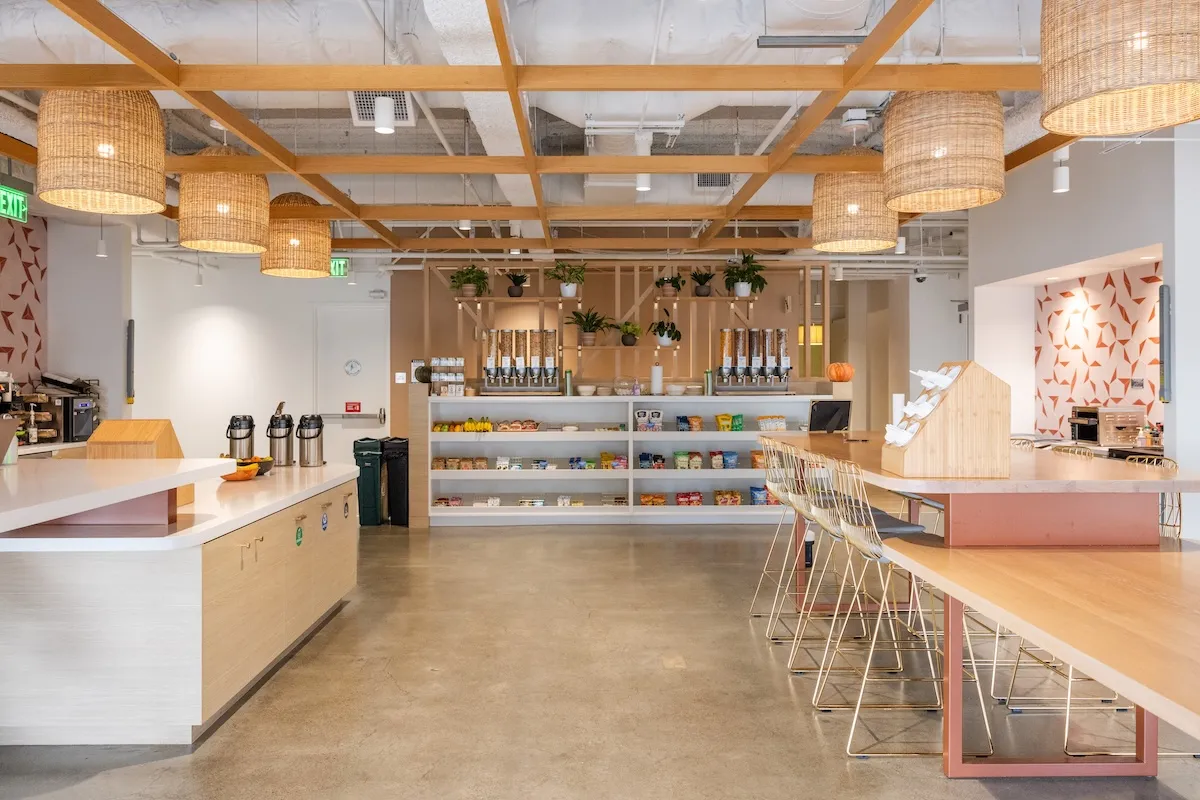
Let’s take one tangible example: office food programs.
- A curated office pantry program costs $7–$10 per employee per day.
- The cost of replacing a single disengaged or departed employee is $50,000–$100,000+ when you include all hidden expenses.
From a pure ROI standpoint, even small improvements in engagement or retention quickly outweigh the cost of a curated workplace program.
But the value isn’t just financial.
Food programs create connection points in a hybrid world where culture is harder to sustain. They facilitate collaboration in ways health insurance can’t. They send a message that leadership is invested in making the workplace feel intentional and human. And most importantly, they anchor employees to the idea, which directly supports return-to-office success.
Modeling the Invisible Costs of Workplace Experience
The real breakthrough for leadership teams comes when invisible costs are modeled alongside predictable spend.
Ask questions like:
- What does a 5% reduction in attrition save this year?
- What’s the productivity upside of re-engaging 10% of the workforce?
- How does that compare to the annual investment in workplace experience programs?
In nearly every scenario I’ve seen, preventative workplace investments outperform reactive attrition costs, often by an order of magnitude.
Workplace Experience as a Financial Resilience Strategy
This is about financial resilience. Snacks are just a part of it. Organizations with high engagement levels see:
- 23% higher profitability
- 18% higher productivity
- 43% lower turnover
Those metrics should matter to every executive responsible for scaling performance sustainably.
The Executive Takeaway
Workplace experience isn’t a perk. It’s a high-yield operational strategy.
The organizations that succeed over the next decade will be the ones that recognize the Invisible P&L, address it proactively, and invest in experiences that drive engagement, retention, and execution.
As leaders, our responsibility is clear: Stop treating culture as intangible, and start treating workplace experience as the competitive advantage and financial strategy it truly is.
Related Resource
Blog
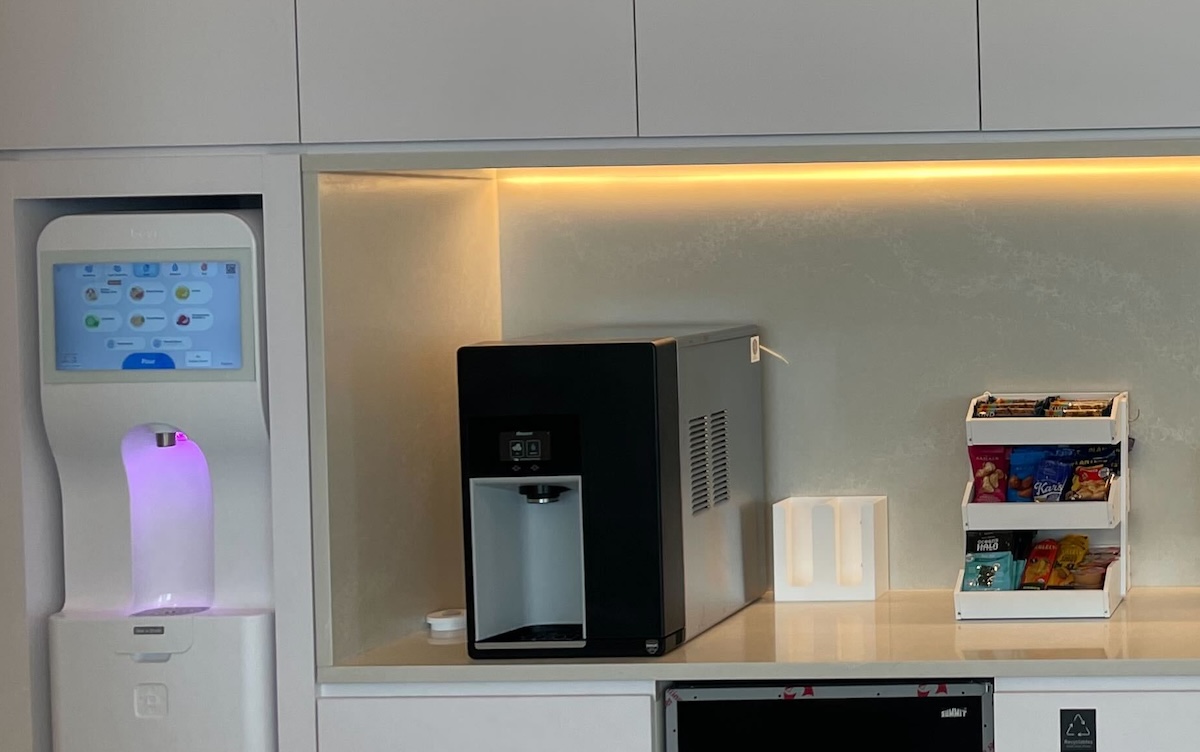
Equipment Guide: Cold Water Machines for the Office
October 8, 2026
Blog
How to Reduce Office Pantry Costs with 7 Optimization Tips
October 8, 2026
Blog
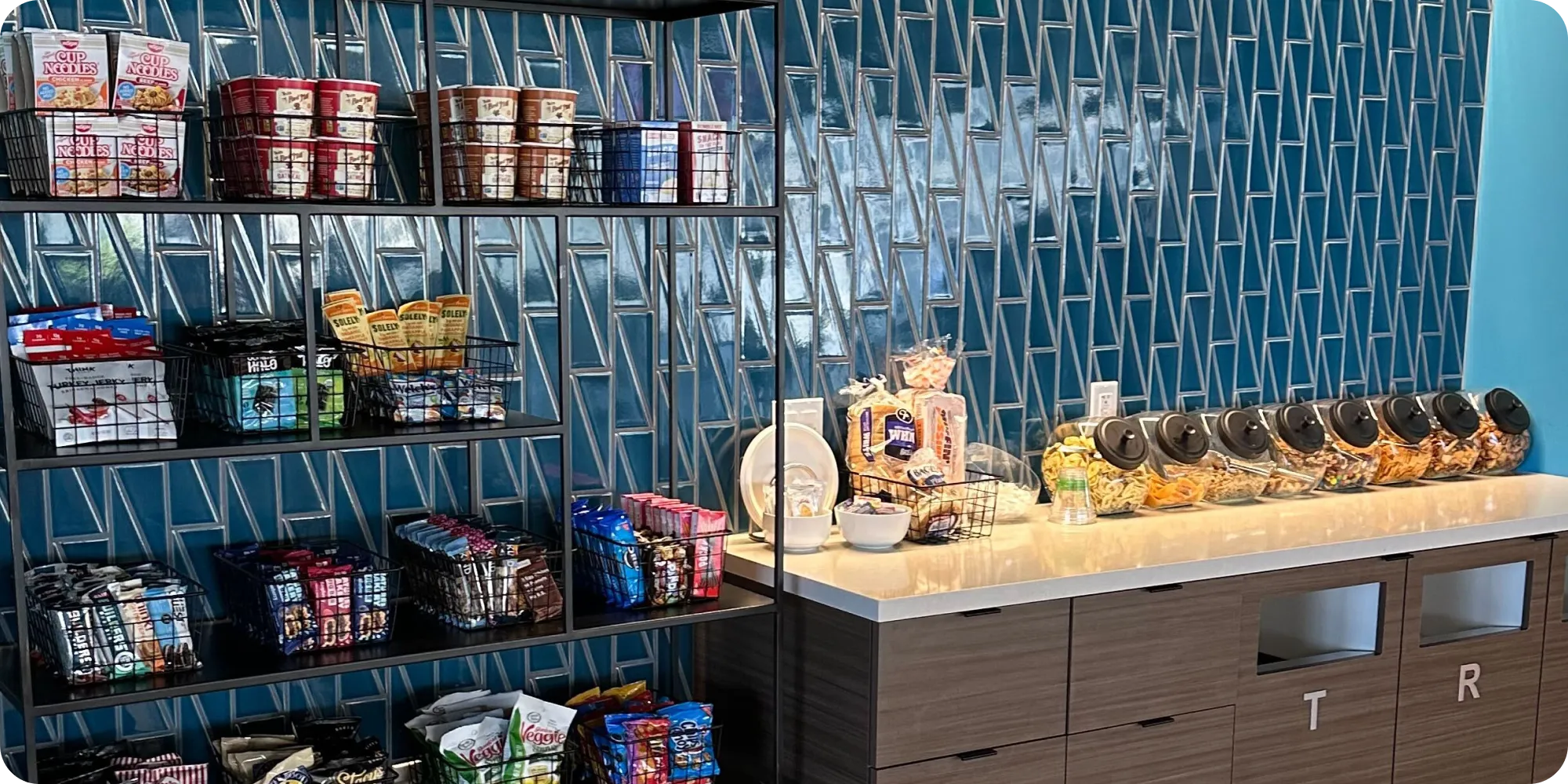
November Holidays for Work: Snack Celebrations for Your Breakroom
October 8, 2026

Blog
How to Benchmark Your Office Pantry and Make the Case for What You Need
October 7, 2026
Blog
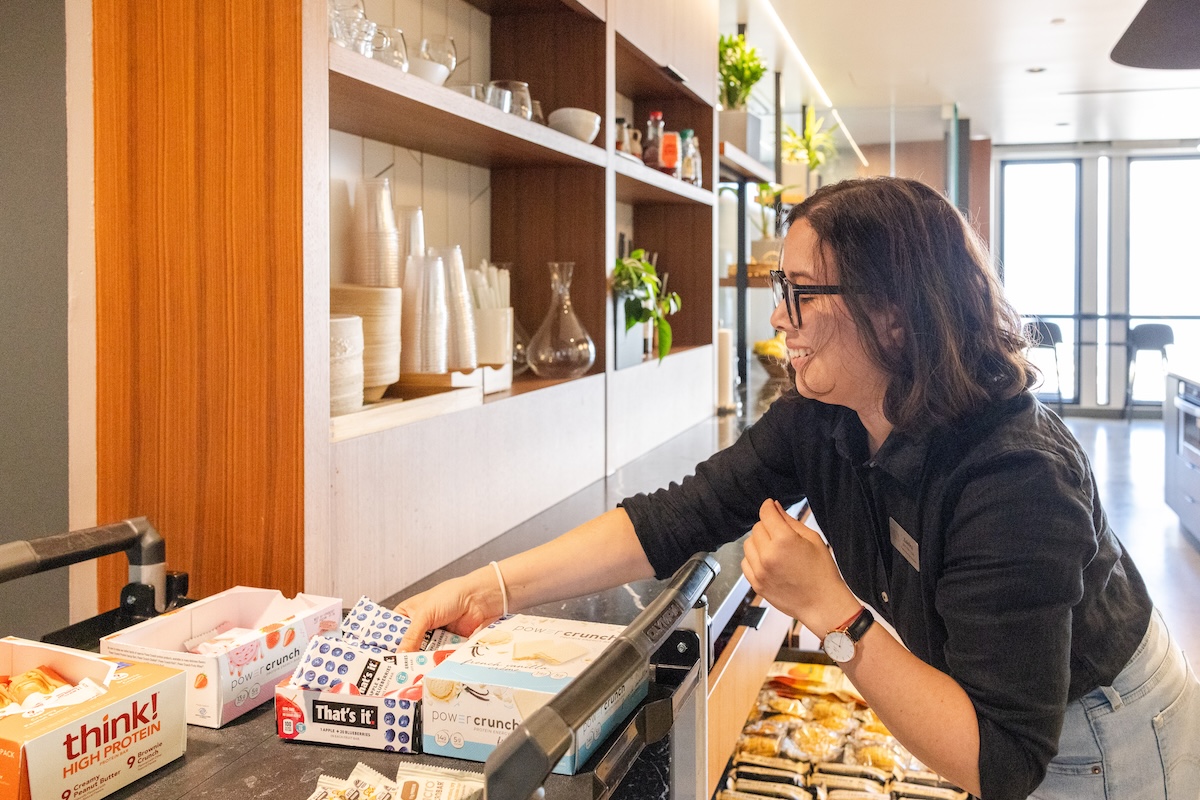
Fueling the Season: Inside a Pro Sports Organization's Workplace Food Program
October 7, 2026
Blog
How Much Does an Office Pantry Cost per Employee: 3 Tiers for 2027
October 7, 2026
Blog
How to Calculate Your 2027 Office Snack Budget
October 7, 2026
Blog
The Insider's Guide to Choosing a National Office Coffee Service Provider in 2027
October 6, 2026

News
Crafty Launches Office Digest, the Industry's First Monthly Intelligence Report for Workplace Food Programs
October 5, 2026